
Research Areas
We study the world.
The faculty and students of the LSU Department of Geology & Geophysics explore a wide range of research areas that span from the deepest depths of Earth and its oceans to the coastal environment of Louisiana to the highest mountains and even to the planets of our solar system.
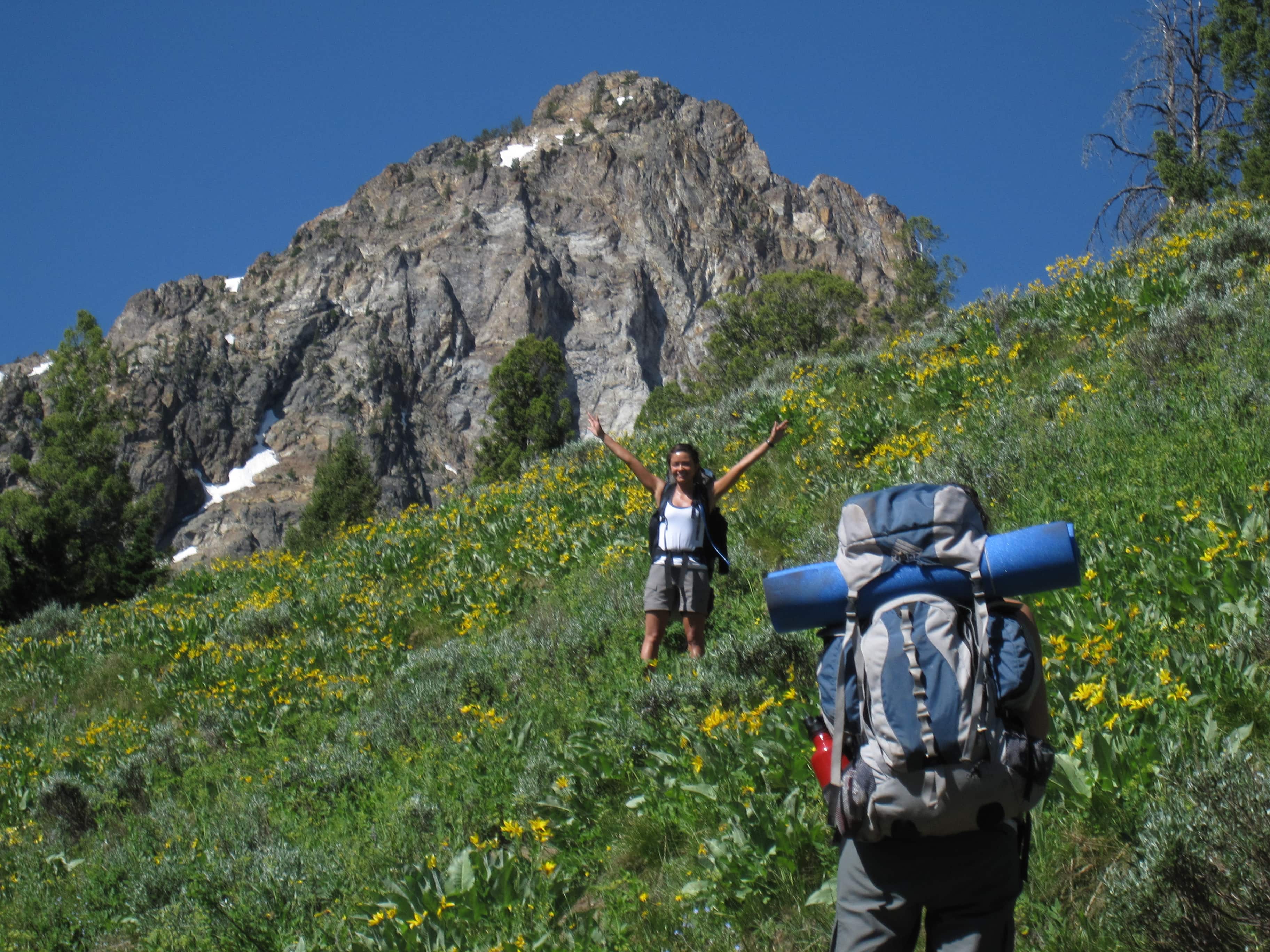
From the ocean floor to mountain tops, Earth’s surface to the deep interior, G&G researchers investigate minerals, rocks and fluids to decipher geologic information contained in their chemistry over 4 billion years of Earth’s history. Field studies are combined with state of the art analytical and theoretical techniques to extract embedded information.
Faculty Members:
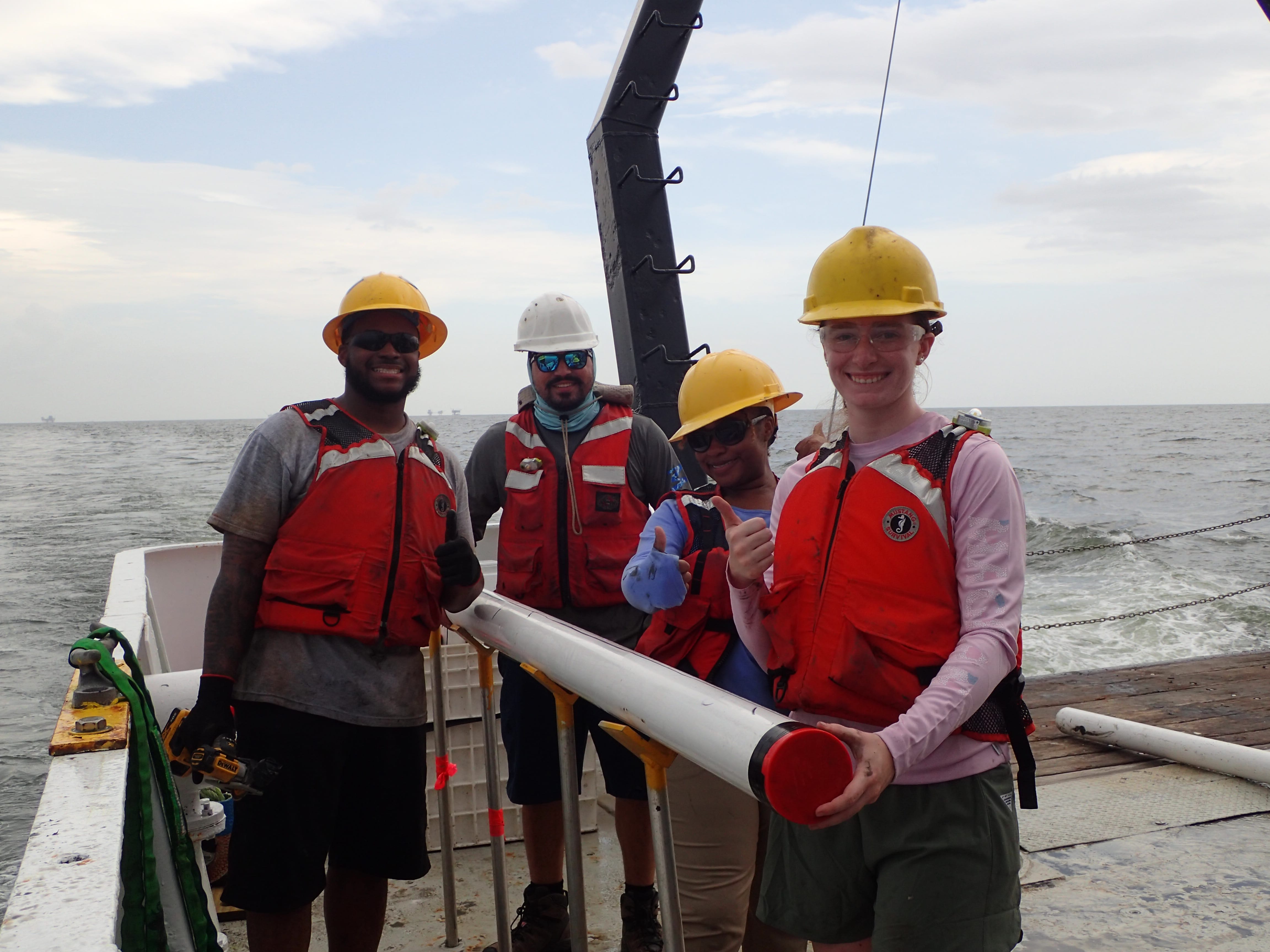
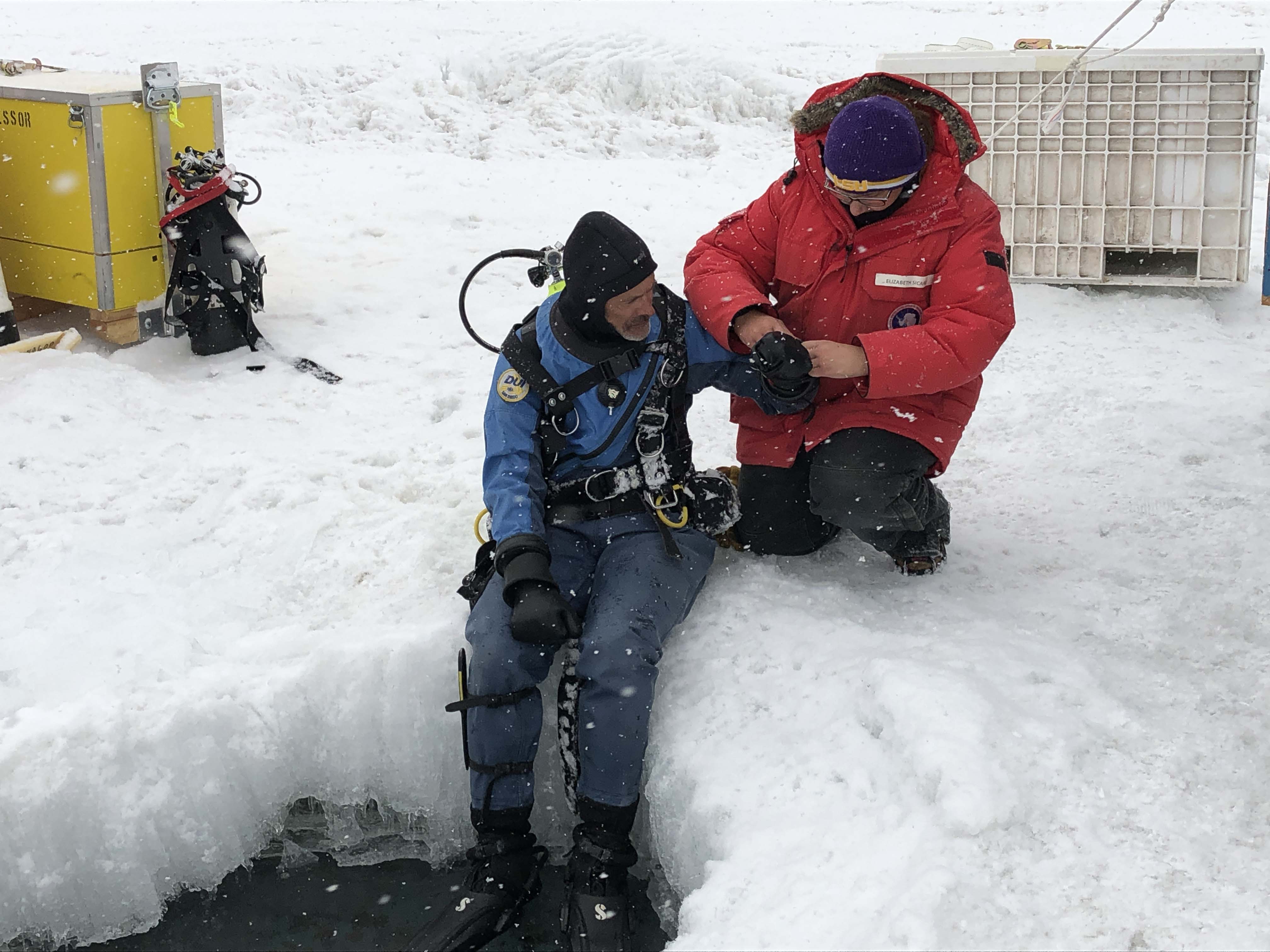
Our faculty date and investigate the formation and age of sedimentary records using sedimentary, geochemical, geochronological, magnetic and palynological methods. This work includes investigations of paleoclimate records preserved in sedimentary basins, on continental margins, and extreme environments like Antarctica. Investigations of surface processes also contribute this work.
Faculty Members:
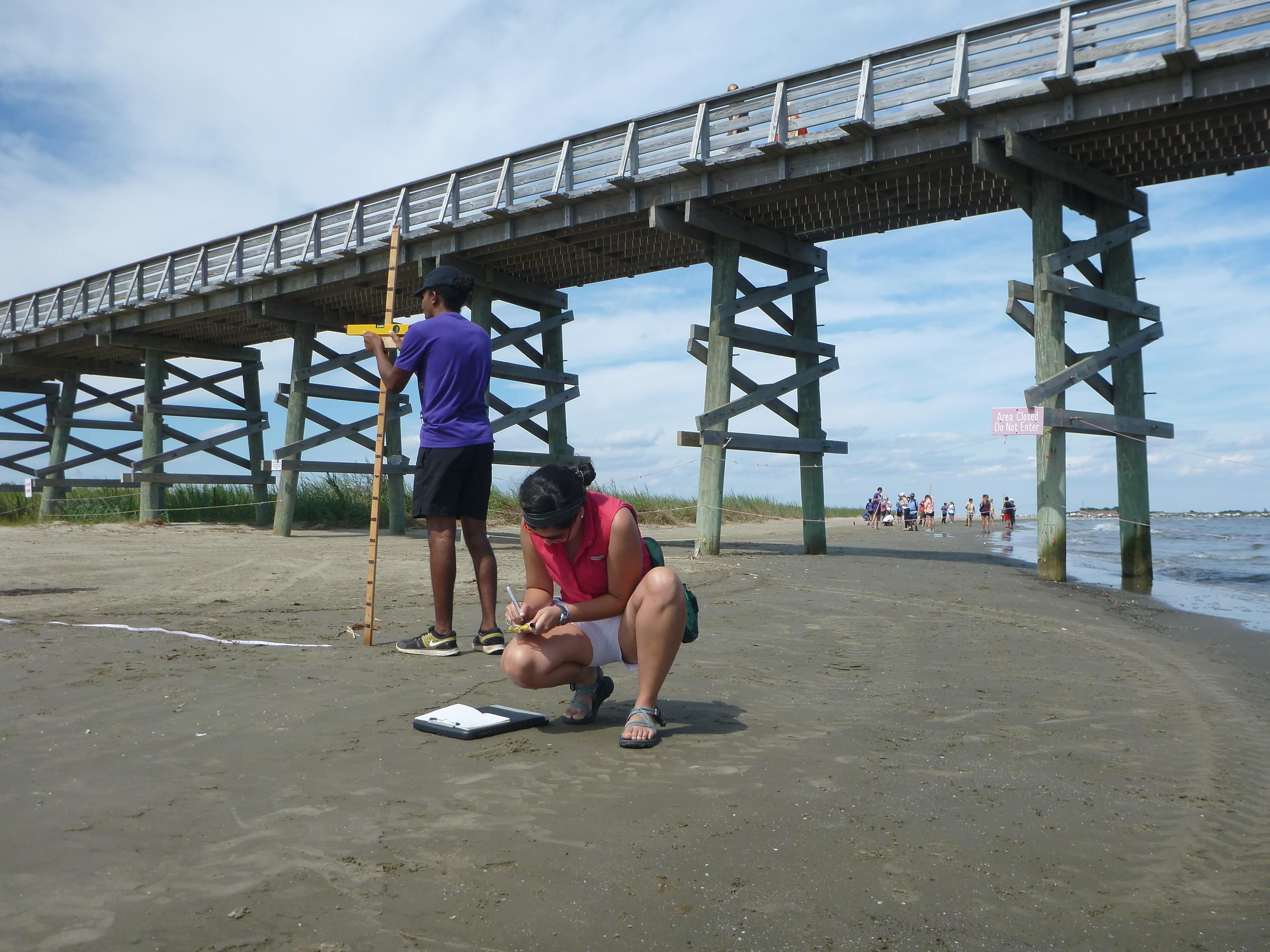
Situated on the banks of the Mississippi River Delta and the margin of the Gulf of Mexico, LSU provides a natural home for the study of the geology of sedimentary systems. Our investigations range from local (Mississippi Delta and coastal/continental shelf systems) to much farther afield, including Asia, Europe, Central and South America, and the Pacific Islands. Our faculty are internationally recognized, diverse in interests, and dedicated to studying global processes. In particular, we investigate sedimentary formations and records using lithologic, geophysical, geochemical, and palynological methods to interpret the record preserved in sedimentary basins and on continental margins. We reconstruct sediment transport processes and attempt to understand the primary controls over sediment generation in source areas and its transport to terminal depositional sinks, including on Mars. As these processes are time transgressive, our expertise and focus spans between millennial-scale changes to recent modifications and impacts.
Faculty Members:
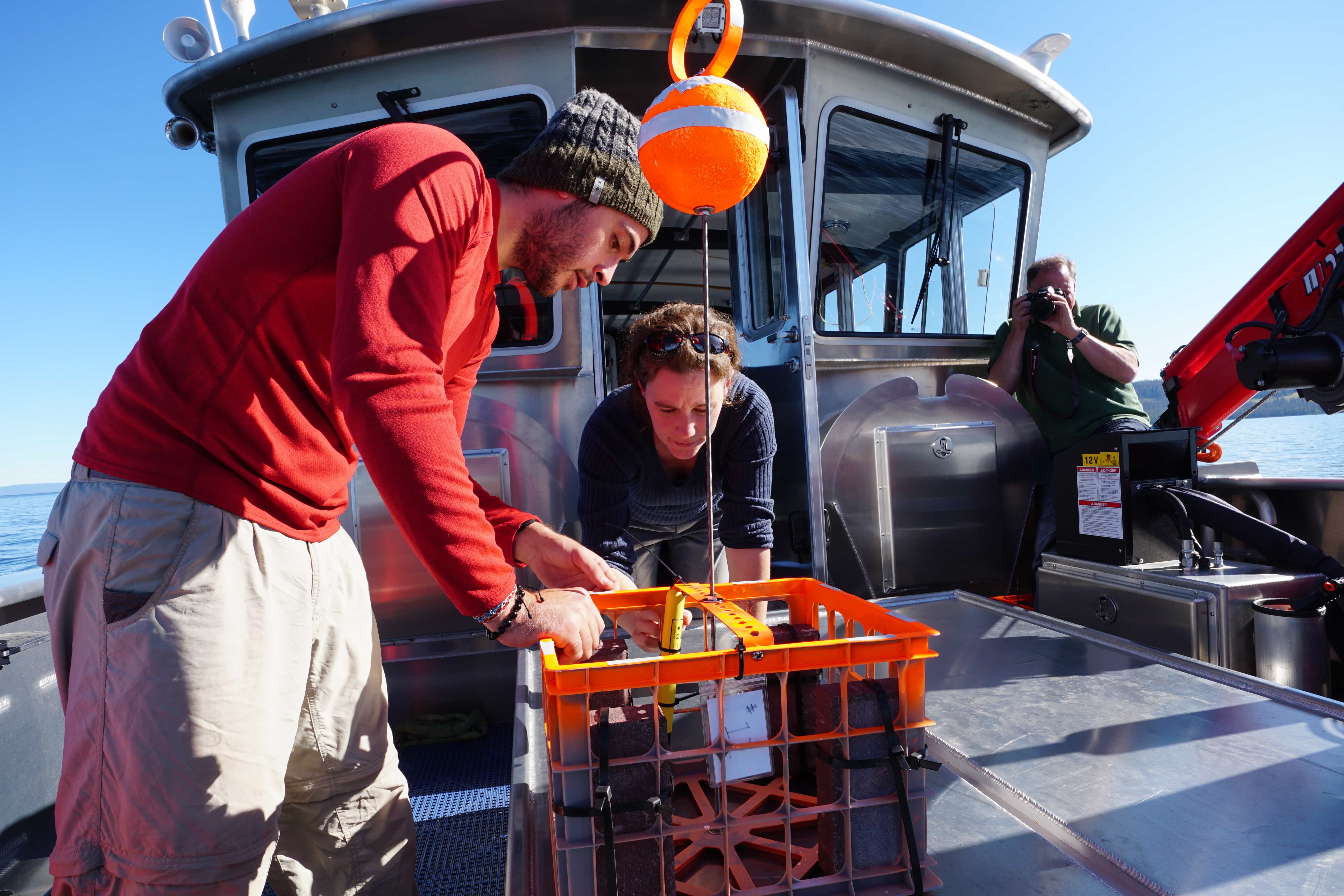
Fieldwork and computer programming combine to study Louisiana coastal land loss, karstic regions of southwestern Georgia and the Ozarks, and earthquake and volcanic hazards in Asia, Italy and U.S. Studies use industry data, ground-penetrating radar, electrical resistivity and state-of-the-art seismic equipment in innovative research with societal impacts. Novel approaches with lab and field acoustics are used to characterize Earth and Mars soils.
Faculty Members:
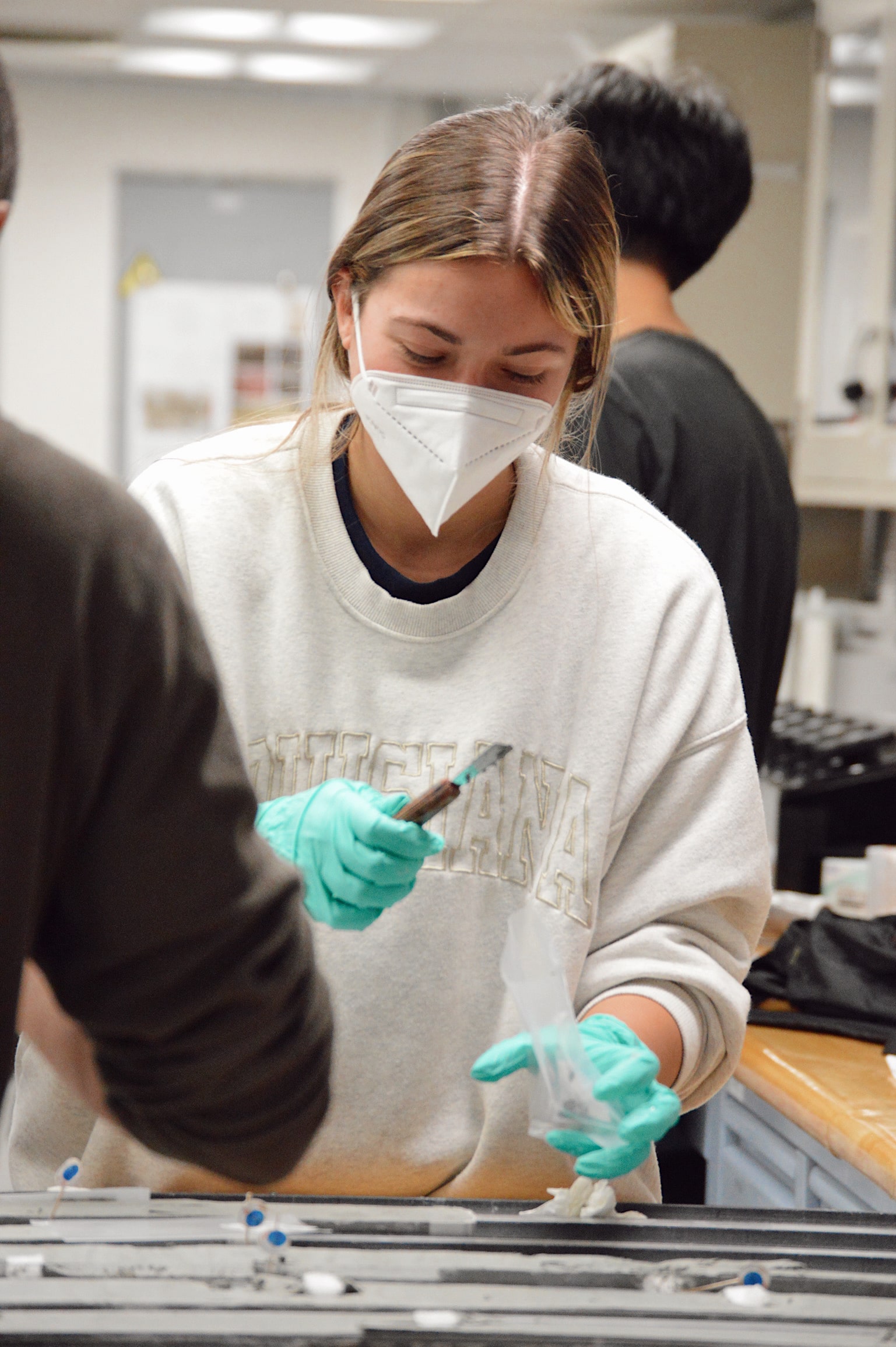
This research group focuses on reconstructing past environments via multi-proxy analyses. To understand how the sedimentary record preserved in basins may be used to reconstruct evolving climate and continental environments, this group uses various disciplines such as micropaleontology, sedimentology, modeling, geochemistry, magnetic susceptibility and seismic, on locations all around the world.
Faculty Members:
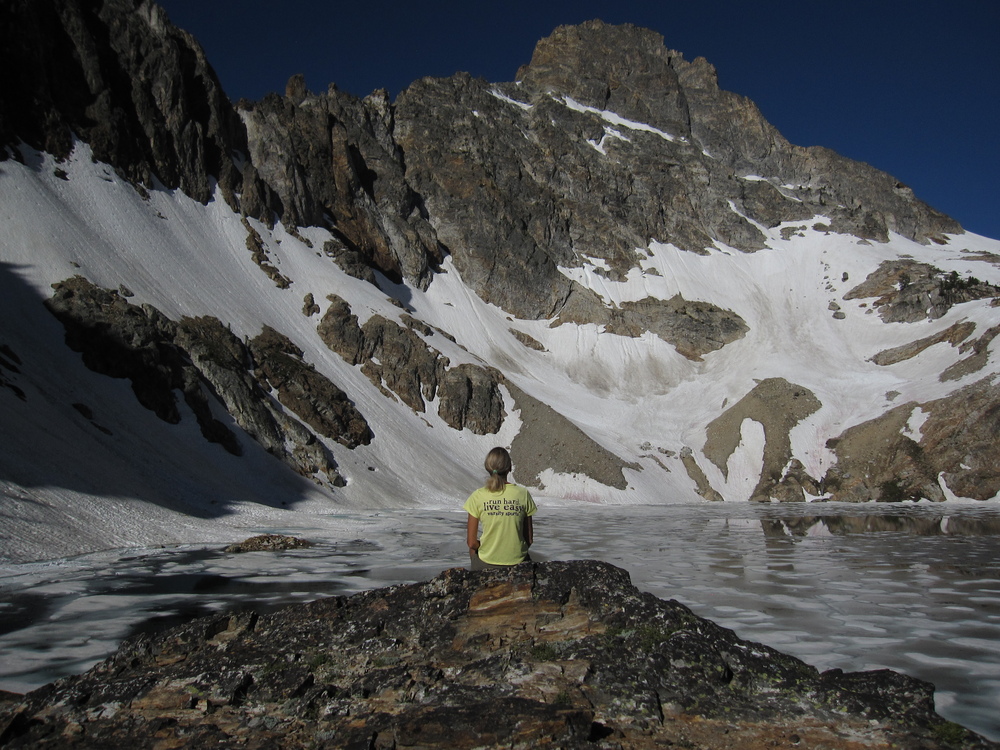
This diverse group focuses on understanding how solid Earth forces control the uplift and erosion of mountains chains, the generation and recycling of continental crust, and feedbacks between surface processes and the structural evolution of the mountains over millennial to millions of year timescales through field observations, geo- and thermochronology, proxy records, and numerical modeling studies.
Faculty Members:
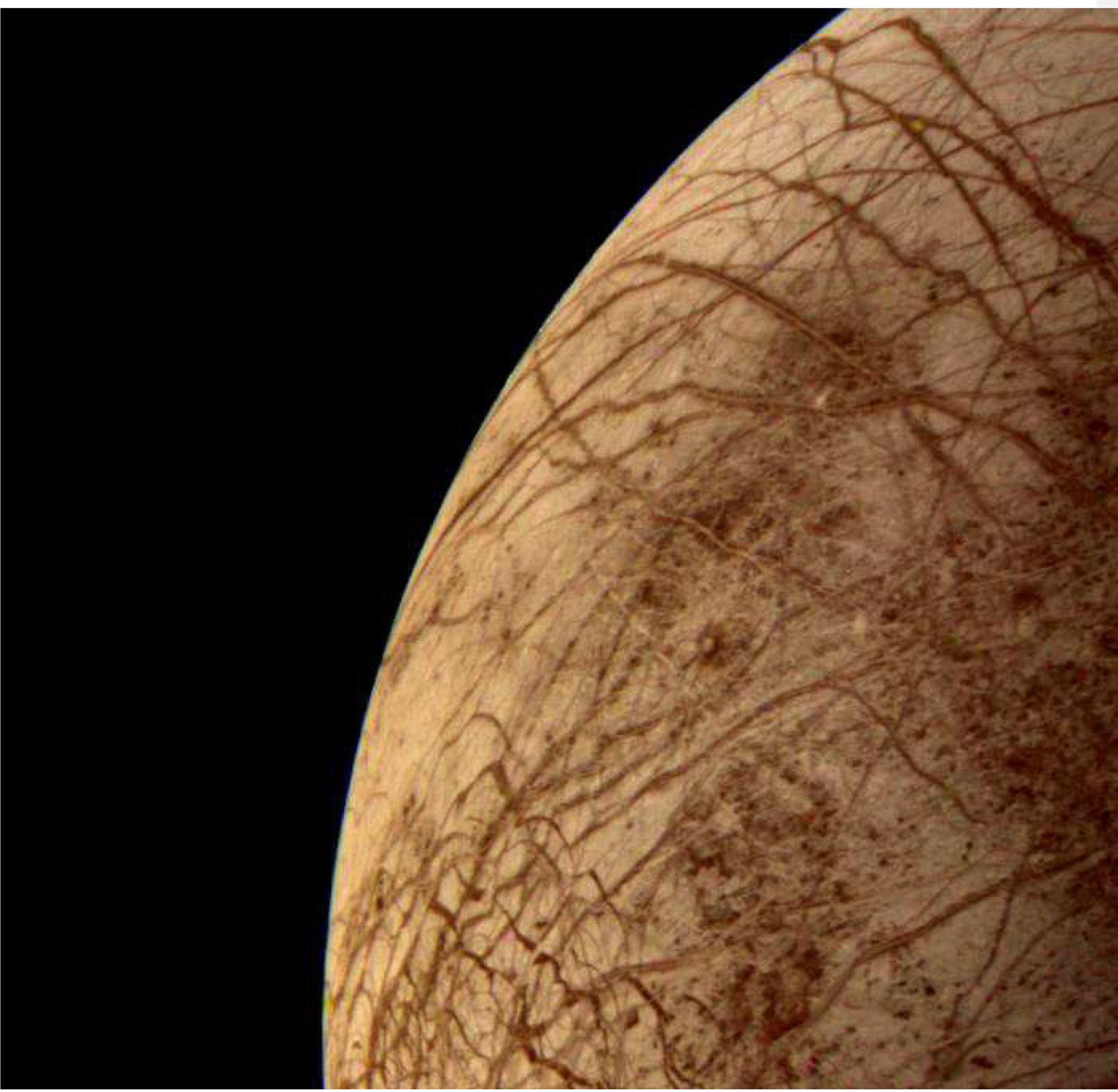
The planetary science group’s research crosses disciplinary boundaries, particularly GIS, geochemistry, mineralogy, computation, geophysical properties, and habitability studies. Diverse instrumental methods – e.g., gamma, neutron, infrared, X-ray florescence spectroscopy along with seismic data – are also synthesized to work across local and regional spatial scales. The synthesis of such mutually independent datasets is an emerging area of planetary research that seeks to overcome longstanding insularity in research across mission instrument teams. Such recent works target major martian unknowns, including the halogen cycle, origin of and variations in bulk soil hydration, mantle processes underlying geologic provinces, and pedogenesis. Methodology advances include semi-automated photoanalysis, multivariate regression, and acoustic seismology. The group also helped establish LSU’s College of Science “planetary initiative to explore Mars and beyond,” and are involved in sustaining it, with a topically related partnership in the Africa initiative for planetary and space science. Equally important, the group has an established field presence in Antarctica, long considered an analog for martian glacial settings and the icy crusts of bodies like Europa, both in understanding dry cryospheric environments and in developing glacial sampling methods like thermal ablation drills. The group is also involved in studying the habitability of some of the most extreme brines on Earth as analogs for other solar system bodies.
Faculty Members:
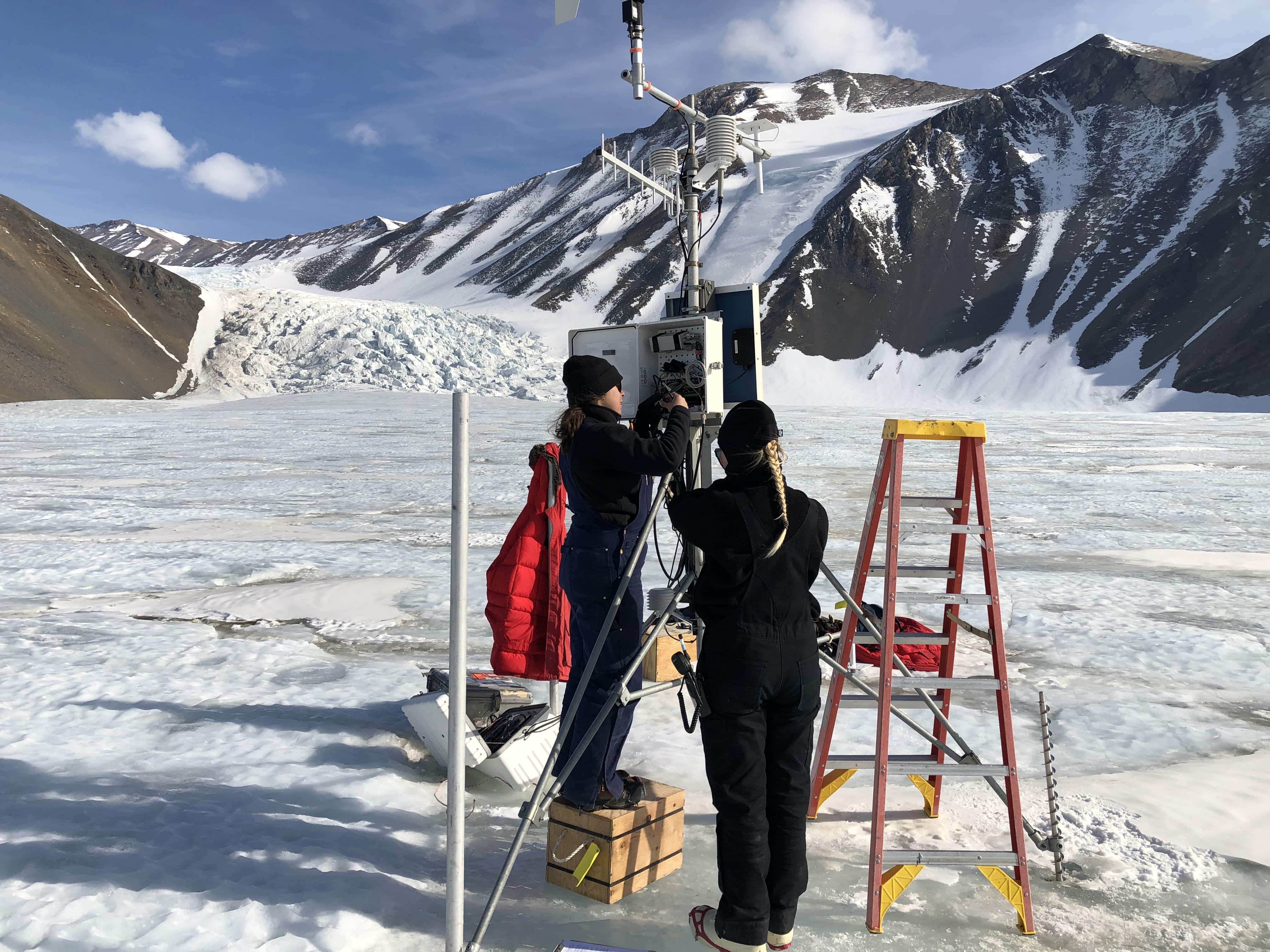
Our faculty investigate ongoing changes to polar ecosystems, periglacial and subglacial hydrology, perennially ice-covered lakes, the retreat of the West Antarctic Ice Sheet since the last glacial maximum, and changes in vegetation and marine algae that were a consequence of long-term cooling. This work is carried out on different time scales, both in the field and lab, and in marine and terrestrial settings.
Faculty Members:
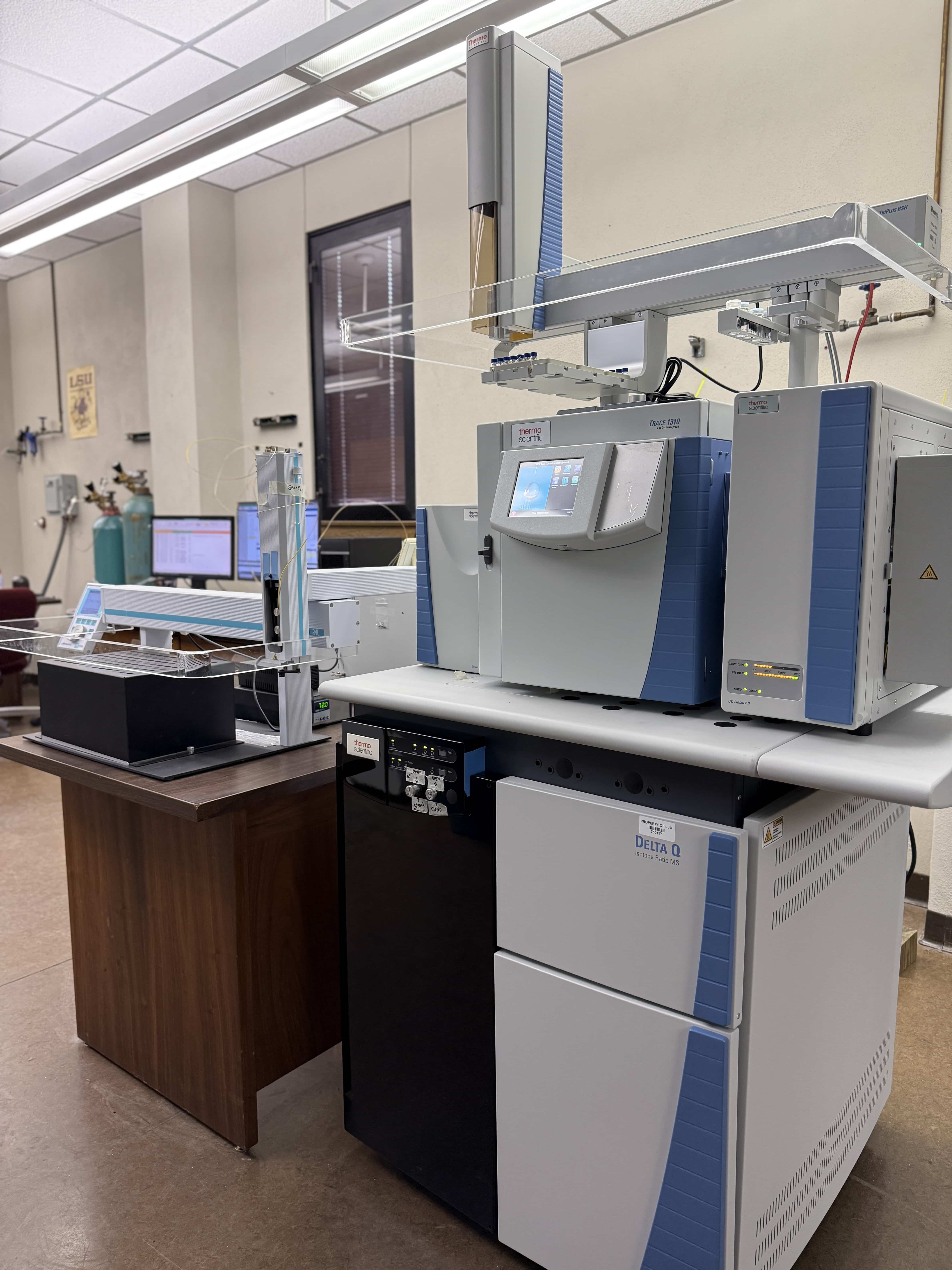
Geochemical research explores the chemistry of Earth and Mars across temporal and spatial scales—from atoms to the entire planet—and from modern environments back to Earth’s formation 4.5 billion years ago. Research integrates theoretical, computational, experimental, analytical, and observational field approaches. Current research interests span a wide range of topics, including the carbon cycle; critical minerals and energy transition materials; deep Earth processes, from core formation to the evolution of geochemical reservoirs in the crust; the early Earth; Earth and Martian surface processes; life–environment interactions; and plate tectonics. The department hosts well-equipped wet-chemistry, trace-element, and stable-isotope laboratories and offers state-of-the-art, high-resolution analytical facilities. These capabilities include stable isotope analyses (H, C, N) of biologically derived molecules, class 100 clean lab facility for ultratrace isotopic analysis, regional- to global-scale geochemical mapping of Mars using remote sensing, trace-element measurements by laser ablation inductively coupled plasma mass spectrometry, major and minor element analyses using the electron microprobe, a variety of imaging techniques, and first-principles atomistic modeling supported by access to high-performance computing resources on campus.
Faculty Members:
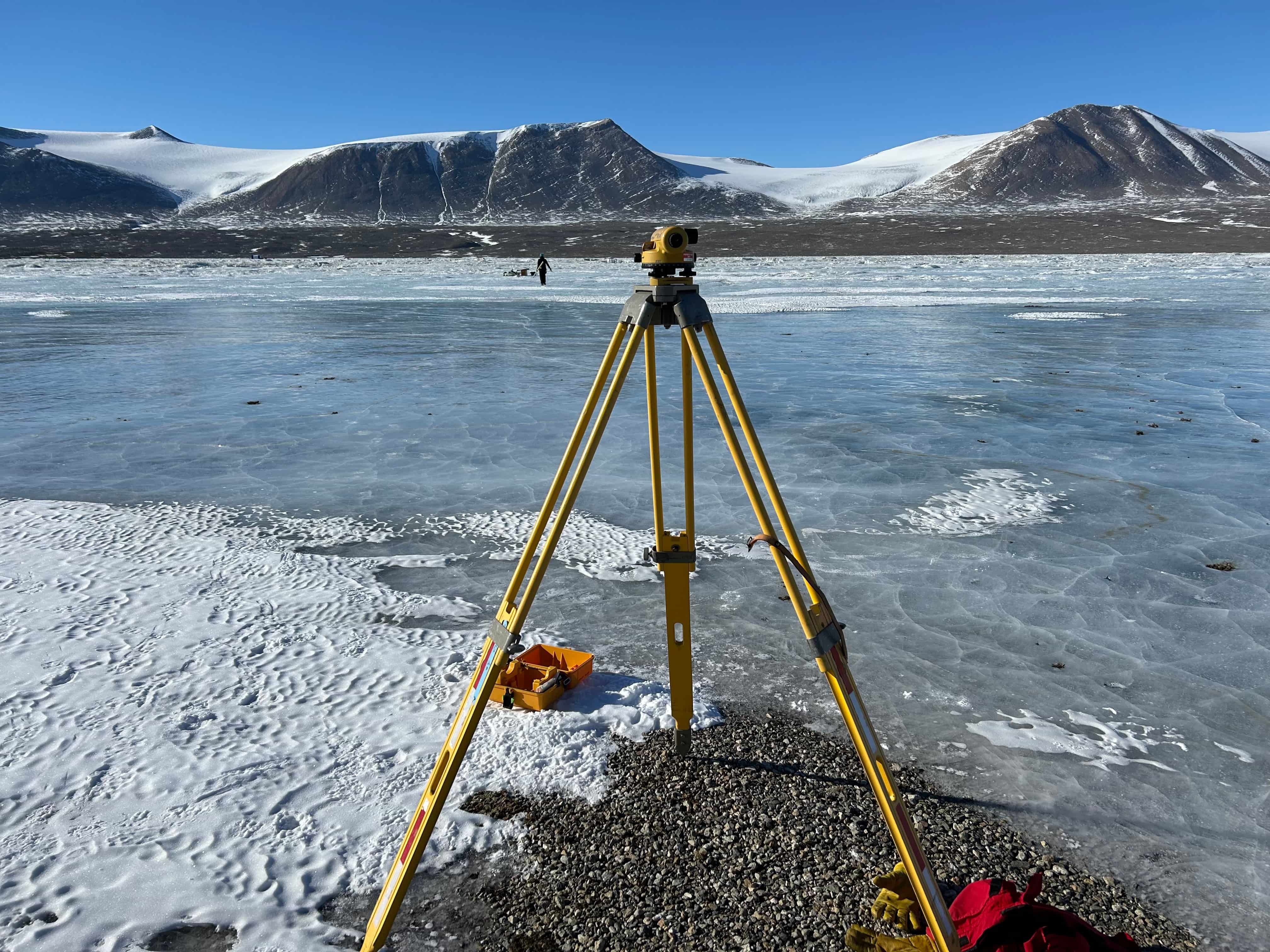
The hydrology-hydrogeology group focuses on diverse environments from flow beneath perennially frozen ground to flow through caves and karst to flow near magma chambers. We are linked by our interest in quantitatively determining temporal and spatial changes fluid, heat, and mass fluxes. Our projects are field-based and computationally intensive.
Faculty Members:
- Peter Doran
- Carol Wicks
- Jeff Hanor (Emeritus)
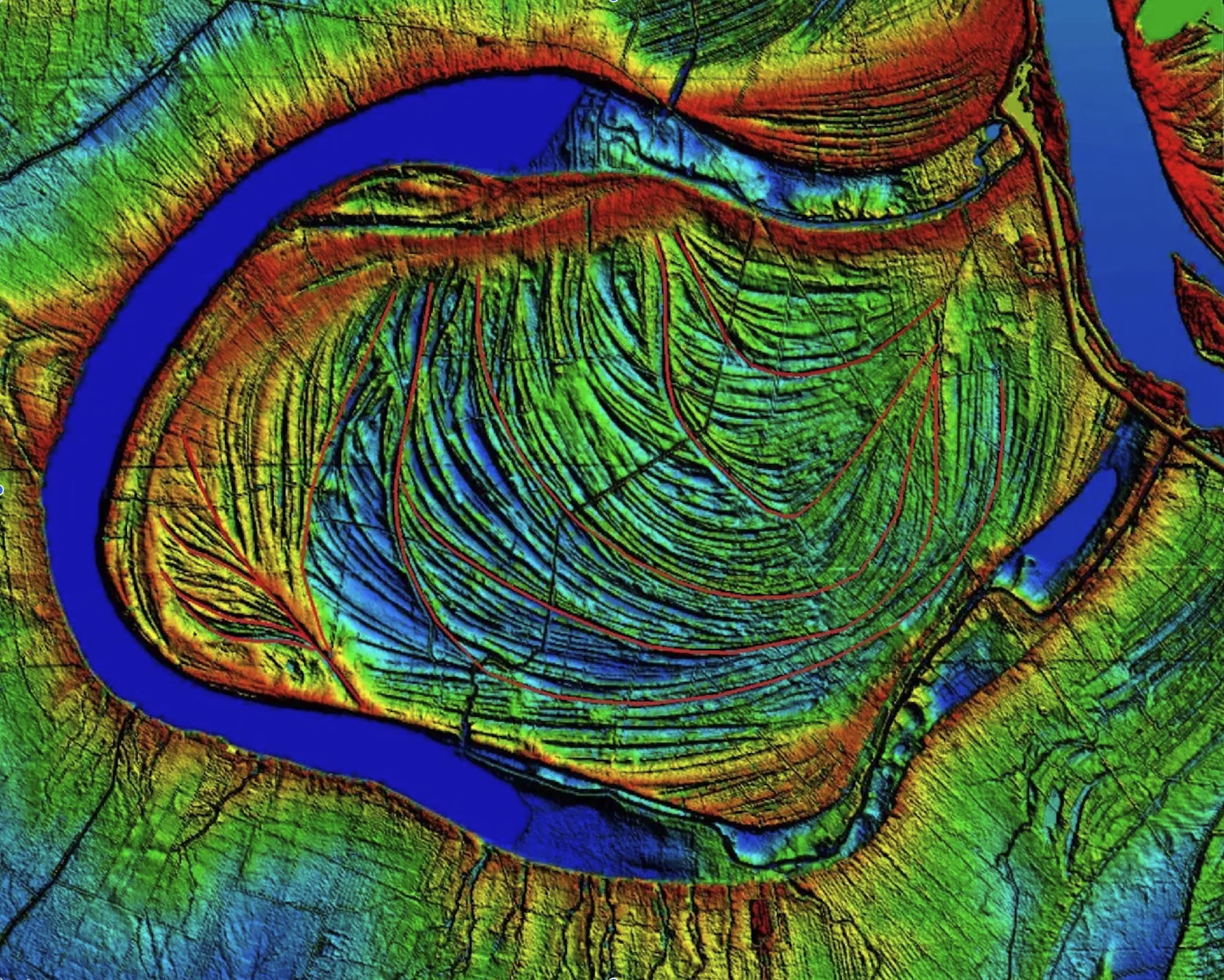
The group is renowned for research using theoretical, computational, experimental, and observational approaches. Research areas cover hydrothermal systems, hydrocarbon systems, earth materials, critical minerals, and nuclear waste disposal. Research topics and educational activities include heat and fluid-rock interaction in geothermal systems, sedimentology and petroleum systems, first-principles modeling of materials, IBA competition, coupling of stratigraphy and environment, and the exploration for critical minerals.
Faculty members: