
Scholars
Cohorts
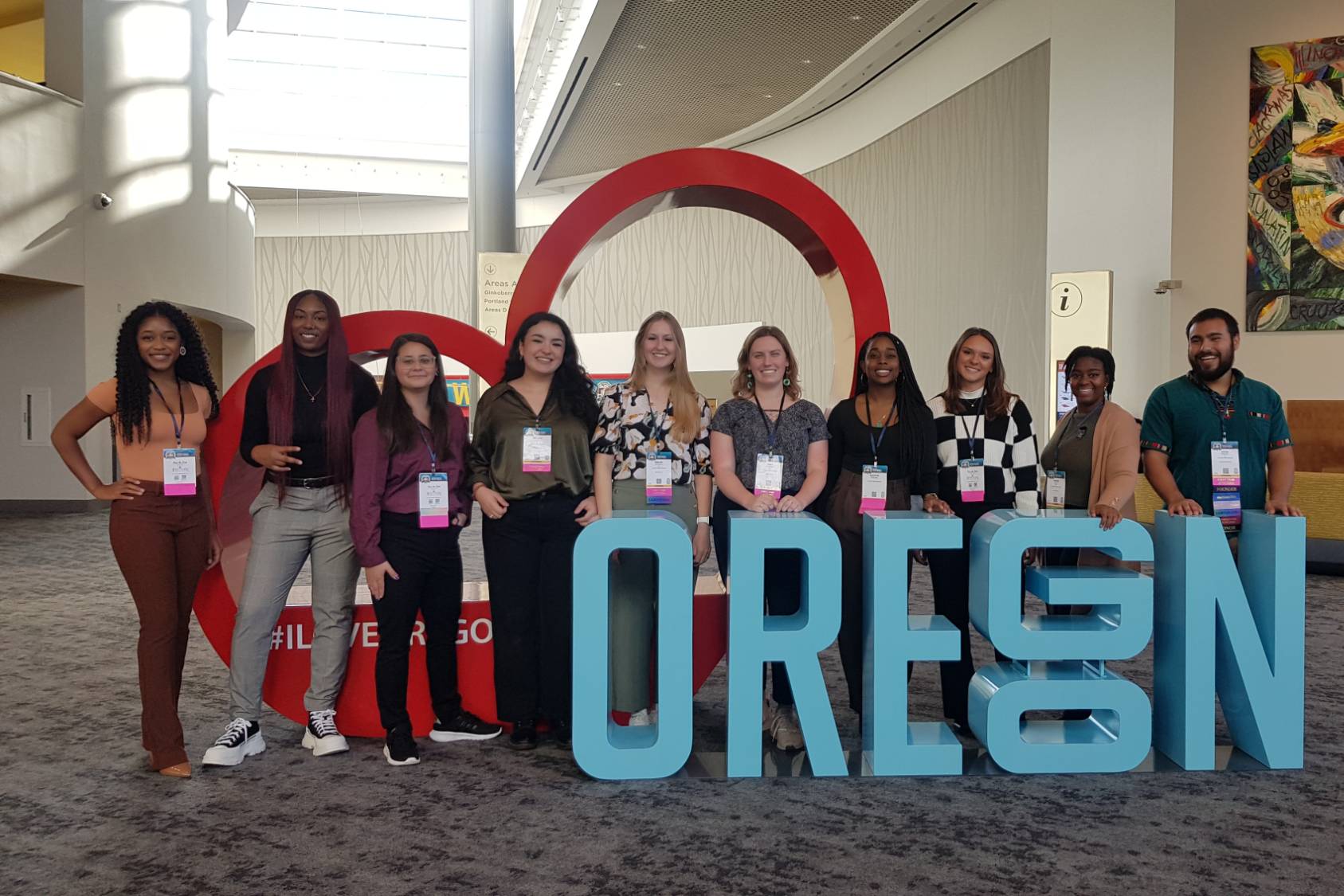
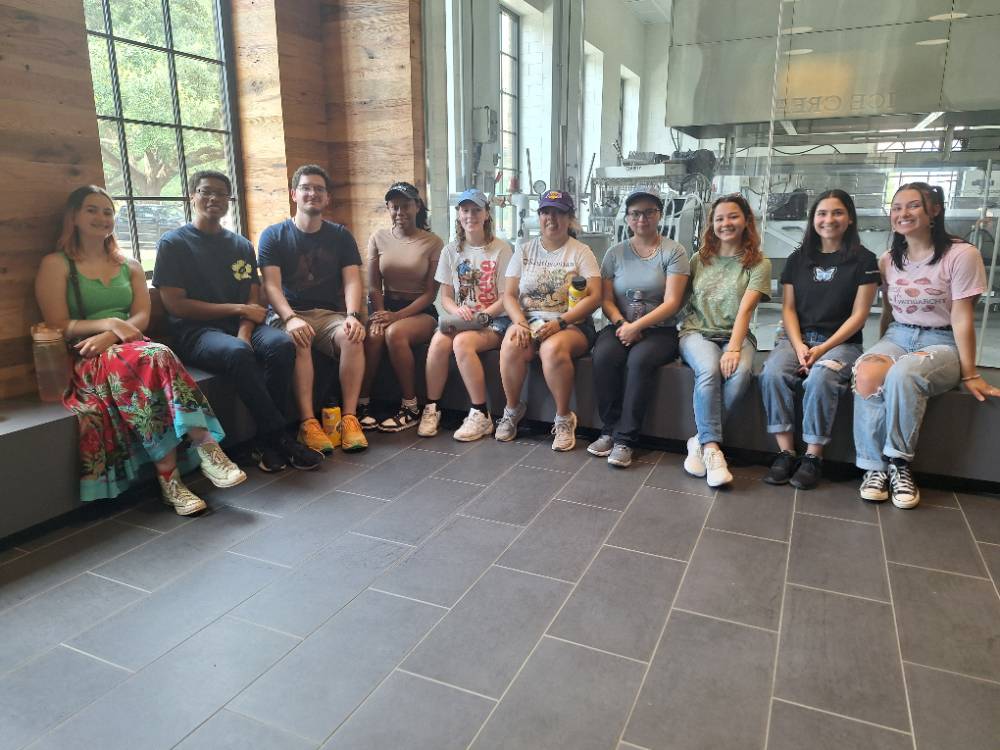
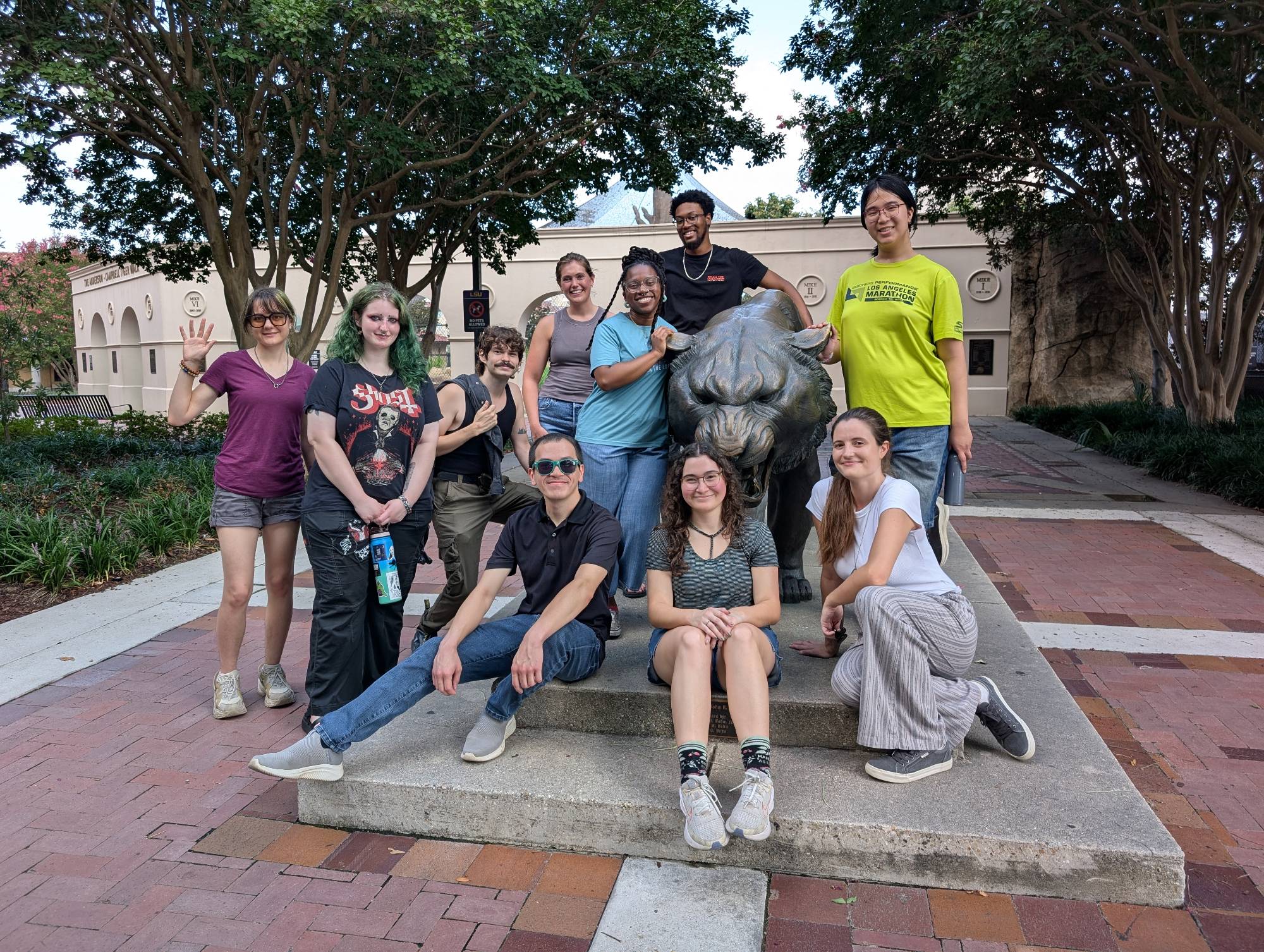
Cohort 2023-2024
Mentor & Comentor
Dr. Morgan Kelly
Dr. Jordan Dowell
Next steps
PhD at Texas A&M University
Testing bivalbe hybridization overtime using mitochondrial markers and low coverage genome analysis
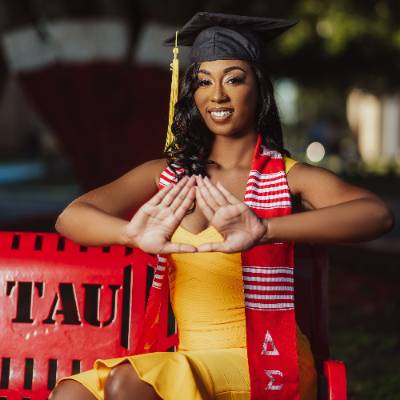
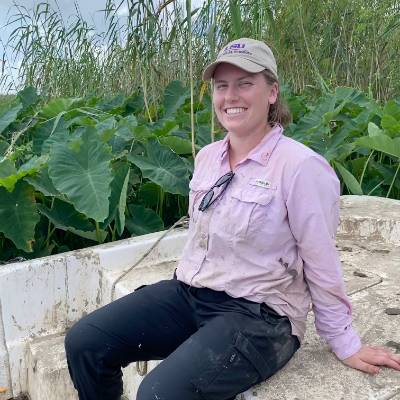
When learning a skill, a new subject, or even a new job it can be a learning curve. There is room for mistakes, room for improvement, and room for new discoveries. This experience is something that Zee can relate to. She worked under the direction of Dr. Morgan Kelly comparing different oyster population’s hypoxia tolerance. She, like a few other scholars in the program, shifted her findings from graduate school to look for a job. All of the lab and computational work she did will be worth it. There were several resources that the program gave her to switch to looking for a job, but the biggest thing she got is the sense of community in the science field and being able to network with people. Her advice, “... Also gain as many skills as you can like lab, field, and computational skills. You never know what you may need”. She is a truly resilient and determined woman who has many opportunities coming her way that will shape her into an amazing scientist.
Credit: Jeanne Smith
Mentor & Comentor
Dr. Jeremy Brown
Dr. Allyn Schoeffler
Next steps
Study at Tulane University’s PhD program in Ecology and Evolutionary Biology.
Molecular Evolution of Topoisomerases in Extremophilic Microbes
Abby studied the evolution of topoisomerases, key enzymes controlling DNA topology, in extremophilic microbes. Using both computational and experimental methods, she plans to investigate molecular changes in topoisomerases that are able to operate in these extreme environments.
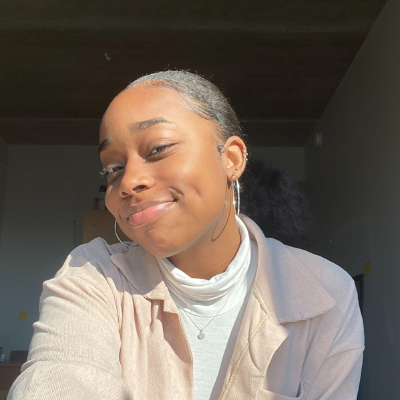
Sometimes, confidence in yourself is something that can be brought out through others around you. This was certainly the case for Abby. She worked with Dr. Jeremy Brown, who study phylogenetics and molecular evolution. Her project within the program was centered around molecular evolution of extremophilic bacteria. This was not something she had a lot of experience with, but she was willing to put in the work and step out of her comfort zone. She gained new computational skills, which was a large pivot from her undergrad years. Opportunities to present her work, like Discover Day, gave her a new confidence to speak about her research in a comfortable environment. Her biggest piece of advice is to “listen to your gut regarding other people’s advice. You know yourself the best, so if there is something you really want to do, don’t be afraid to make that known”.
Credit: Jeanne Smith
Mentor & Co-mentor
Dr. Brant Faircloth
Dr. Loren Cassin Sackett
Next steps
Lab assistant at Stanford University.
Exploring Limb Loss in Squamates: Genomic Analysis of Enhancer Regions and Limb Formation Genes
Sashoya focused on the study of limb loss in squamates. She utilized existing specimen collections along with genomic sequencing and assembly approaches to identify and characterize enhancer regions and genes associated with limb formation in the limbless squamate taxa.
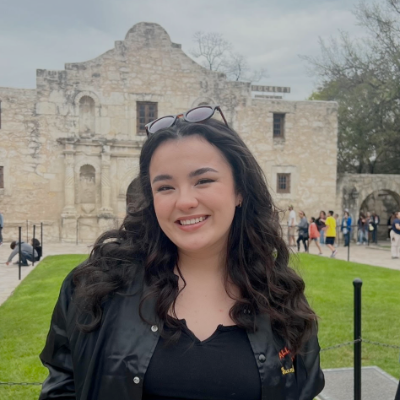
There are some people who naturally have a presence about them. It is confident, but kind. This is how Sashoya’s personality can be described. “Comparing my undergrad research to here, I have not touched a pipet or anything like that at LSU, but back at Rutgers I was doing all kinds of extractions and PCR’s”. Now that she has experienced both wet lab work and computational work, she knows now that she likes the wet lab experience more but will surely incorporate computational components to future projects. This is a true testament to the importance of figuring out what you do and do not like. She went to a conference outside of the group and learned very quickly that budgeting can save you a lot of headaches. “Your budget can be stretched if you plan things out. Also make sure that you get the cheapest options. There is no need to pay for the fanciest hotels, and you don’t need all that much for food, so just plan those things out and be frugal”. Something else that is beautiful to see is how Sashoya has blossomed into this confident, independent, and kind woman.
Credit: Jeanne Smith
Mentor & Co-mentor
Dr. Nicholas Mason
Dr. Catherine Newman
Next steps
PhD student in the Mason Lab at LSU.
Spatial and Temporal Patterns of Genomic Diversity and Salinity Levels in Common Nighthawks
Amanda studied the population decline of Common Nighthawks (Chordeiles minor) on the Gulf Coast. Looking at spatial and temporal change in breeding habitat, trophic level and genetic diversity through a combination of stable isotopes and whole genome sequencing.
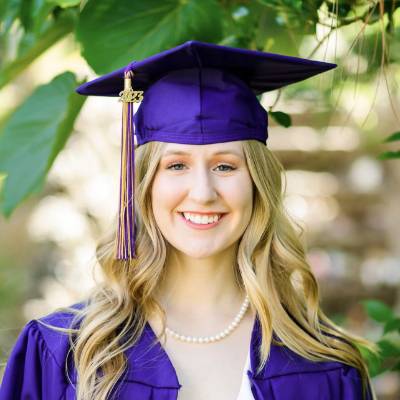
When talking to someone about their passions, they often mention what they would like to do for the rest of their lives. This can change through time, but a lucky few seem to have found their ‘spark’ early. This is the case for Amanda. Her spark? Birds. She mentioned that she had previously admired Dr. Mason’s and the LSUMNS’s work, and after a year doing independent research in the program, she was accepted into graduate school at LSU with support from the Future Scholars Fellowship. When asked what her advice for the next cohort would be, Amanda encouraged the incoming scholars to put in the effort to learn and ask questions. “The biggest advice I can give is you get from the program what you give to the program. If you aren’t seeking out people to help you, it can keep your project from moving forward. If you don’t know what you’re doing, that’s fine, but make sure you seek guidance.” From her time in the LAGNiAppE program it’s clear to see that she is determined, creative, and ambitious. Geaux Amanda!
Credit: Jeanne Smith
Mentor & Co-mentor
Dr. Laura Lagomarsino
Dr. Samantha Gerlach
Next steps
PhD position at the University of North Carolina Chapel Hill in the K. Pfennig Lab, studying hybridization in frogs.
Phylogenetic Analysis and Secondary Metabolite Screening of Rubiaceae
Shelby assembled a phylogeny of the Rubiaceae family, a large and diverse family of tropical South American plants, using herbarium specimens. Additionally, she tested members of the family for the presence of alkaloids and cyclotides, bioactive secondary metabolites.
Sometimes, your undergraduate university can have life changing opportunities for you, even after you’ve finished your degree. This was certainly the case for Shelby who graduated right here from LSU. Her growth is something she certainly credits to the Lagomarsino lab, the LAGNiAppE program’s workshops on CV building and bioinformatics, lectures and discussions with guest speakers, “Getting started on things as early as possible is one big piece of advice I have. It can be a huge help to yourself later on. You want to have wiggle room to mess up or forget things, because little mistakes can cause bigger setbacks than you’d think and it can be really frustrating. It’s also important to stay organized and try to plan your project out as much as you can before you start.” It certainly sounds like Shelby has her future plans all worked out. It doesn’t mean she won’t have bumps along the way, but at least now she has the resources and skills to conquer them.
Credit: Jeanne Smith
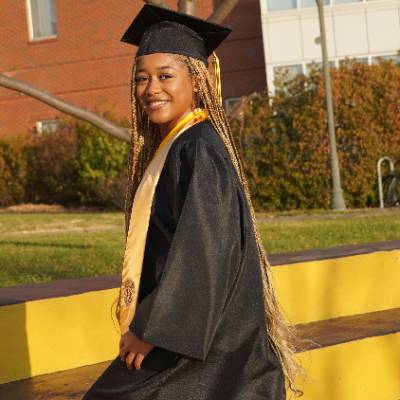
Mentor & Co-mentor
Dr. Patricia Schneider
Dr. Nastassia Jones
Next steps
PhD student position at Miami University in Oxford, Ohio
Investigating Regulatory Elements in Anableps anableps
The goal of Iyana's project was to use transgenesis to investigate what genes regulate the expression of the split cornea and pupils in Anableps anableps the “four eyed fish”.
All scholars in this first cohort of the have made substantial accomplishments to get them to where they are. Iyana’s accomplishments are no exception, but she does have one that is quite unique to her. She is a recipient of the Graduate Research Fellowship Program (GRFP). From a pool of more than 15,000 students who apply each year. Iyana mentioned that Harris-Stowe State University is much smaller than LSU, and being able to be surrounded in LSU by so many people in this field of biology made her feel much more supported in her field. She says, “the best advice I can give to the next cohort is to be open minded. Information that is given to you from someone does not always have to be taken at face-value. Take in the information that is relevant to you and capitalize on it”. A huge congratulations to Oliviel and her accomplishment of winning the GRFP. We know that she will have more to come.
Credit: Jeanne Smith
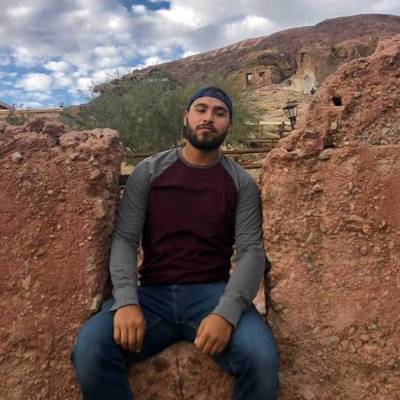
Mentor & Co-mentor
Dr. Maheshi Dassanakaye
Dr. Kathleen Ferris
Next steps
Graduate school at Tulane University.
Comparative RNA Sequencing Analysis to Reveal Transcriptome Variations in Schrenkiella parvula Under Multi-Salt Stress
Jorge compared RNA sequencing data of Schrenkiella parvula under multi-salt stress vs. single salt stress conditions to identify differences in the transcriptome. His goal was to gain further insight into S. parvula's unique resilience in salt rich environments.
Jorge has one unique quality that none of the other scholars share. He was the only male scholar in this first cohort. Nevertheless, he braved the year embracing all his other female scholars and truly gotten the most out of what this program has to offer. Jorge noted that something that helped him tremendously was anything the cohort did together as a group. His advice for the next cohort, “Going to the right people with your questions, comments, and concerns can allow for that collaboration to occur”. The last thing Jorge mentioned was being kind goes a long way for people. Most of the people you talk to you won’t know, so being kind is something that may stand out to others. It certainly did in Jorge’s personality, which he will take with him wherever he goes next.
Credit: Jeanne Smith
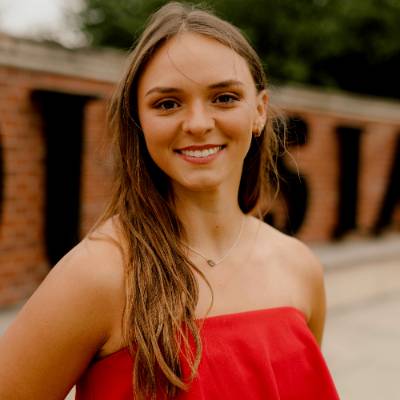
Mentor & Co-mentor
Dr. Michael Polito
Dr. Hector Douglas
Next steps
M.S. in Marine Biology at University of North Carolina at Wilmington.
Quantifying Allochthonous and Autochthonous Sources of Soil Organic Matter in Coastal Louisiana Marshes
In Louisiana, coastal land loss threatens global carbon sequestration by wetlands. Samantha studied soil organic matter in natural and created marshes, assessing contributions from autochthonous and allochthonous sources using stable isotopic analysis. Additionally, she investigated the impact of Mississippi River freshwater diversion on these marshes' organic matter composition.
Sam was a little apprehensive on what to do after graduating. She has a passion for coastal conservation and restoration, but she has made sure to keep an open mind, not knowing what opportunities would come her way moving forward. Sam has lived in Louisiana all her life and had the opportunity to travel across the country to attend and present her research in scientific conferences while networking during the year. She is certainly an amazing example of utilizing all the resources this program has to offer from the personal development side to the academic assistance of getting into graduate school. “One piece of advice I would give to the next cohort is that a year is a lot more time than you think. At first you think you won’t be able to get a whole lot done, but planning out your year early on with your mentor is something that is so essential to being successful”. She is truly grateful to the board for selecting her for this unique opportunity.
Credit: Jeanne Smith
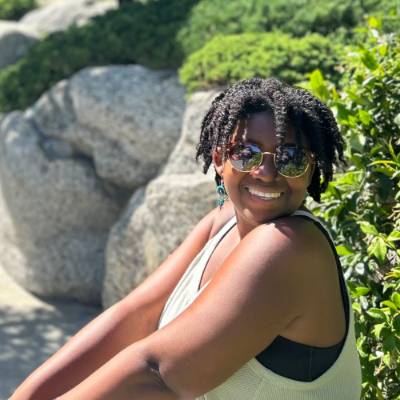
Mentor & Co-mentor
Dr. Morgan Kelly
Dr. Francesca Mellieon-Williams
Next steps
Marine Educator at Louisiana Universities Marine Consortium (LUMCON).
Climate Change Impact on Littorina littorea with Presence of Trematodes
Jeanne researched whether populations of L. littorea from Southern Louisiana are infested with trematodes and how warmer temperatures affect the rate of disease spread. Trematodes are a common parasite found on these snails and can add stress due to the heat, potentially altering the snails' behavior.
When going through challenges, sometimes work can be a great distraction to take your mind off of other things going on in your life. She is someone who knows all too well about being resilient amid facing obstacles, both in work and in life. After graduation, there was an empty feeling as to what to do next. “I was not sure if I wanted to take a break, immediately go back to school, or look for a job”. She was not familiar with this ‘in-between phase’ known as post-baccalaureate, but it seemed to fit the position she was in. She applied for the program, got in, and had no idea how life-changing it would be for her. The best advice for anyone coming into the program is “start planning out your interests with your mentor early. If you want to get a job, then make that known. If you want a master’s, then be sure your mentor knows that so you can be provided with the right resources”. There will no doubt be challenges in whatever you decide, but this program will help you be resilient to reach your goals. Jeanne is certainly going to carry that resilience with her.
Credit: Jeanne Smith
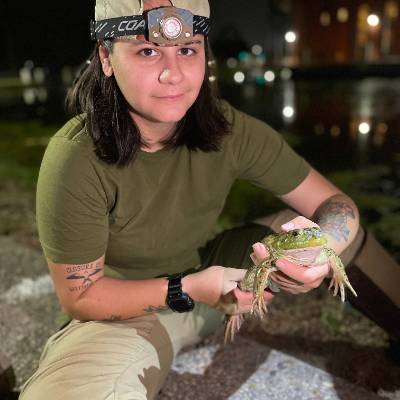
Mentor & Comentor
Dr. Christine Lattin
Dr. Alex Gunderson
Next steps
M.S in Wildlife at Texas State.
Differences in Behavior Between Two Congeneric Lizards and Lead’s Effects on Those Behaviors
Emily (Em) compared neophobia, exploration, and aggression between individuals of Anolis carolinensis and A. sagrei collected from urban sites. Corticosterone levels of all lizards were determined by analysis of blood samples collected at capture (before behavior tests) and after behavior tests, while neophobia, exploration, and aggression were observed using behavior tests.
Em can be considered one of two bird aficionados within the program. Originally looking for a master’s position straight out of undergrad, she felt like her applications were lacking something: research experience. Although she was unfamiliar with what a post-baccalaureate program offered, it was the perfect opportunity for her to expand her CV and improve her skills needed for a strong, competitive application to graduate school. Her advice is “patience is huge, along with open mindedness. Flexibility to allow things to change will serve you well in the long run with your project and in life. If things don’t work out, it’s ok.” You never know what is going to happen, and being able to ‘roll with the punches’, so to speak, is a great habit to get into for life.
Credit: Jeanne Smith
COhort 2024-2025
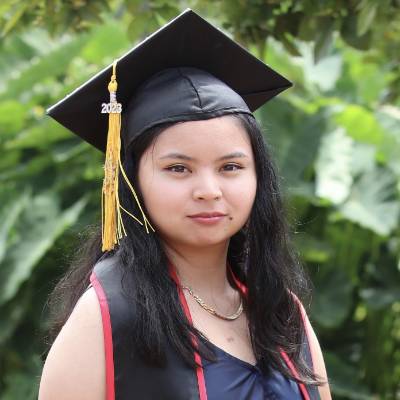
Mentor & Co-mentor
Dr. Maheshi Dassanakaye
Dr. Kathleen Ferris
Next steps
Work in a research position while preparing for graduate school applications.
Long-term Physiological Responses of Arabidopsis thaliana to Salt Stress
Nicole investigated the long-term effects of salinity stress on Arabidopsis thaliana. She measured photosynthetic pigment content, reactive oxygen species accumulation, reproductive fitness, and leaf physiology. Her research aimed to uncover how plants adapt to extreme environments, with potential applications in developing stress-resistant crops as global soil salinization increases.
One of Nicole’s biggest challenges was balancing the demands of research with other responsibilities. She emphasizes the importance of time management and having a strong support system. "I never imagined I could lead a project like this as an undergraduate," she says, reflecting on her growth since her early academic years. For future scholars, she advises, "It’s okay if you’re unsure of your exact research interests, use this program to explore, network, and take advantage of every opportunity to grow as a scientist."
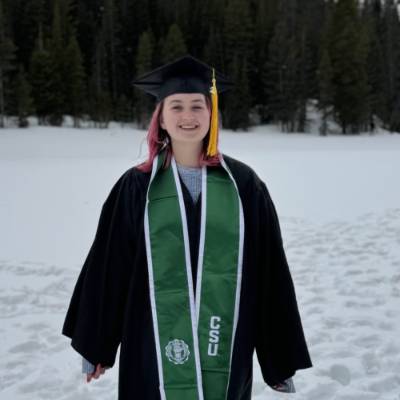
Mentor & Comentor
Dr. Jacob Esselstyn
Dr. Catherin Newman
Next steps
Study at University of Florida’s PhD program in Zoology.
Systematics of Sumatran Shrews in the Genus
Crocidura
Ellie worked to identify shrew species from the Sumatran island, and potentially discover new ones. Her research used molecular techniques such as cytochrome b gene sequencing and Ultra-Conserved Elements (UCEs).
She developed as an undergrad a fascination for small mammals, a surprise even to herself. "I used to think mammals were the most boring vertebrates," she laughs. "I didn’t even know shrews existed before this!". Time management was a significant hurdle for Ellie, but she saw steady improvement throughout the program. Initially as an undergrad, she felt limited by early exposure to only a few career options, but her perspective expanded as she explored evolutionary biology and systematics. She highlights the value of her cohort as a support system. "Building strong relationships with peers made navigating research and professional development much easier," she says. As she moves into graduate studies, she hopes to continue working with mammals and museum collections.
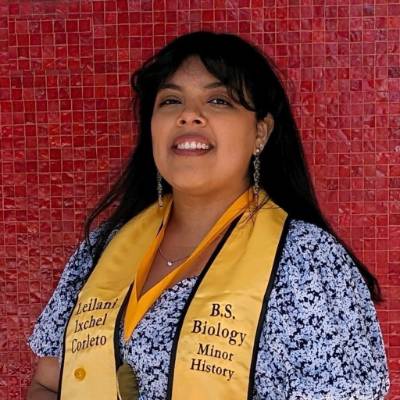
Mentor & Co-mentor
Dr. Laura Lagomarsino
Dr. Laura Frost
Next steps
Apply to graduate programs.
Phylogenomics and Diversification of Andean Bellflowers
Leilani studied the biological and environmental drivers of diversification in Andean flora. Her project involved analyzing morphological traits and applying computational methods to understand adaptive radiation. Mentored by Dr. Laura Lagomarsino and PhD candidate Katherine Arango-Gómez), she explored how certain plant lineages diversified in response to environmental pressures. "Biodiversity research teaches us so much about the natural world," she says.
As an undergraduate, Leilani had limited exposure to research labs and graduate school opportunities. It wasn’t until her second year that she realized she could join a lab as an undergraduate researcher. Even then, she felt uncertain about her post-graduation path. LAGNiAppE provided clarity, helping her define her research interests and understand the steps needed to pursue a PhD. Now, she plans to apply to graduate programs in 2025, focusing on macroevolutionary studies, potentially shifting her focus to fish diversity. She also hopes to continue working with museum specimens as critical resources for evolutionary research.
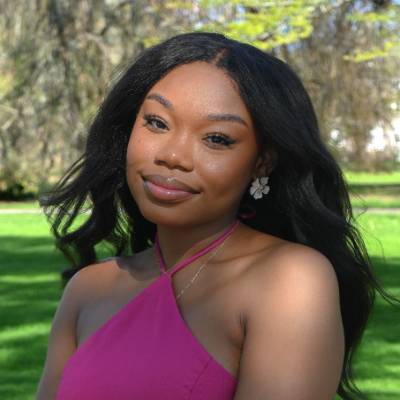
Mentor & Co-mentor
Dr. Michael Hellberg
Dr. Stacy Krueger-Hadfield
Next steps
Ph.D. at Texas State University in Aquatic Resources and Integrative Biology.
Using Histological, Transcriptomic and Genomic Methods to Identify Sex Linked Genes in Eunicea flexuosa
Kara’s research centered on identifying sex-specific genes in the Caribbean Sea fan (Eunicea flexuosa). Combining histological techniques to examine gonads with DNA sequencing for gene expression analysis, she worked under the guidance of Dr. Mike Hellberg and PhD candidate Abdul Ada. Her project aimed to uncover potential genetic markers for sex determination in corals.
Kara will soon begin a PhD program where she will study cnidarian responses to multiple stressors, such as temperature fluctuations and bacterial infections. Reflecting on her journey, she expresses gratitude for the opportunity to explore her research interests through LAGNiAppE. The program also helped her develop key skills in bioinformatics and data analysis, easing some of her anxieties about the future. She encourages the next cohort to seize every opportunity. "Don’t be afraid to make mistakes, they’re part of the learning process. Every effort you put in will pay off."
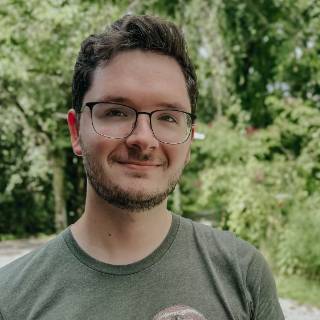
Mentors & Co-mentor
Dr. Jeremy Brown
Dr. Nicholas Mason
Dr. Allyn Schoeffler
Next steps
PhD program at LSU in the Mason Lab
Comparitive Phylogeography of High-Andean Geospizopsis Finches
Brett transitioned from a full-time teaching career to research, making the most of his time at LAGNiAppE by working on two projects. The first examined how microhabitat preferences influence population structure in two species of tanagers. The second used ultra-conserved elements to reconstruct the phylogeny of the Hoatzin, a unique South American bird, investigating how evolutionary relationships shift across chromosomes. Mentored by Dr. Nick Mason and Dr. Jeremy Brown, Brett thrive on unraveling the evolutionary history behind species diversity.
The initial learning curve was steep, and Brett sometimes felt out of place. However, with support from his mentors, he gained confidence. "They reminded me to take things one day at a time," he says. The program’s workshops demystified the graduate school application process, transforming him into a competitive candidate. Now, he will continue his research as a graduate student in Dr. Mason’s lab.
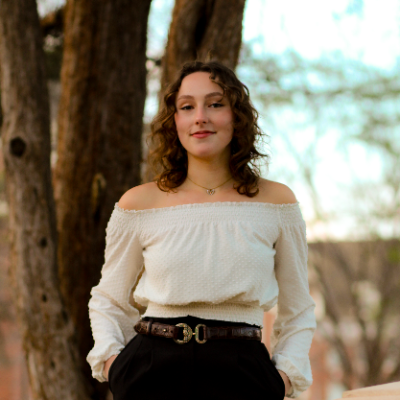
Mentor & Co-mentor
Dr. Christine Lattin
Dr. Simon Lailvaux
Next steps
Research technician in Dr. Sarah DuRant’s lab at the University of Arkansas.
The Role of Scavenger Receptor Class B Genes in Dewlap Color in a Native and Invasive Anole
Elena compared dewlap color variation and behavior between native green anoles and invasive brown anoles under Dr. Christine Lattin’s mentorship. Her project combined her interests in animal behavior and invasive species ecology, particularly how invasive species alter ecosystems and challenge conservation efforts. While she won’t continue this exact research, she hopes to work on reptile and amphibian conservation in the future.
Elena initially planned to become a veterinarian but shifted toward research during college. LAGNiAppE helped her understand graduate school applications and potential career paths. "Stay open to every experience, each one teaches you something, even if it’s just figuring out what you don’t want to do," she advises. She has secured a research technician position and will also apply to PhD programs.
Mentor & Co-mentor
Dr. Morgan Kelly
Dr. Jordan Dowell
Next steps
PhD at Department of Biological Sciences, Louisiana State University.
Understanding the Effects of Marine Stressors on Behavior and Genetic Experssion on the Marsh Periwinkle, Littoraria irrorata
Christian dedicated his research to understanding behavioral and genetic responses in the salt marsh periwinkle (Littoraria irrorata) under marine stressors. His work explored how these organisms adapt to environmental changes driven by human activity, particularly climate change. Passionate about evolutionary biology, he sought to uncover the mechanisms that allow species to persist in rapidly shifting ecosystems.
Reflecting on his journey, Christian acknowledges the challenge of communicating the broader significance of his research. "It’s difficult to explain why such a small, seemingly insignificant organism matters in the grand scheme of things," he admits. However, through literature reviews and active participation in research, he gained a deeper appreciation for his work’s ecological implications. Now, as he transitions into Dr. Morgan Kelly’s lab as a research assistant and prepares for a PhD, he feels equipped to tackle new questions in copepod adaptation. He credits LAGNiAppE for demystifying graduate school, fostering professional connections, and helping him refine his career goals. His advice to future scholars is to embrace every aspect of the program. "This experience was more than just academic growth; it was transformative on a personal level."
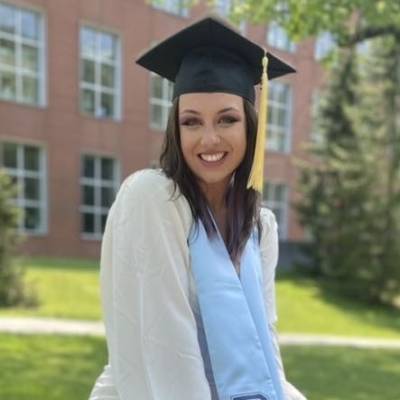
Mentors & Co-mentor
Dr. Rebecca Christofferson
Dr. Jeremy Brown
Dr. Francesca Mellieon-Williams
Next steps
Applying for a job.
Uncovering the Drivers of Genetic Diversity of West Nile Virus Throughout Louisiana
Caitlin studied environmental factors influencing West Nile Virus outbreaks, analyzing bioclimatic variables like precipitation and temperature. She also incorporated ecological niche modeling to identify high-risk regions in the U.S. and explored the virus’s phylogenetic diversity. Guided by Dr. Rebecca Christofferson and Dr. Jeremy Brown, she merged her interests in ecology and evolution, particularly in human-impacted environments.
A major setback occurred when her RNA samples degraded, preventing sequencing. However, she adapted her research focus, learning resilience in the process. Originally thinking on a medical career, Caitlin discovered her passion for research. "This program showed me a career path I didn’t know existed," she says. Her advice? "Trust your abilities, rely on mentors, and immerse yourself in relevant literature."
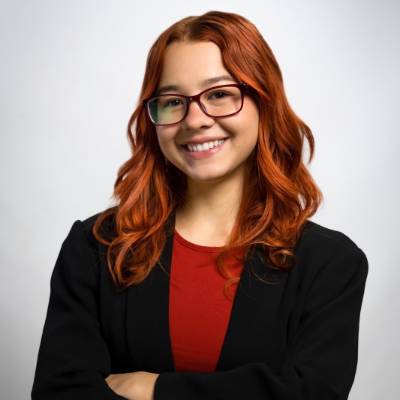
Mentor & Comentor
Dr. Gaurav Kandlikar
Dr. Matthew McCary
Next steps
Ph.D. position at New Mexico State University with Dr. Adriana Romero-Olivares
Unraveling Microbial Mediation of Plant Eco-Evolutionary Responses to Drought
Edmarie’s research investigated the critical role of soil microorganisms in helping Brassica rapa adapt to drought stress. Her project involved growing multiple generations of plants under different watering conditions and microbial histories. She analyzed plant fitness and growth rates, and characterized physical traits.
While her background is in environmental microbiology, Edmarie was fascinated by the opportunity to study plant-microbe interactions through an evolutionary lens. Her most significant challenge was overcoming imposter syndrome. "I felt my knowledge wasn't enough and that I wouldn't meet expectations". However, with support from her lab and cohort, she realized everyone was navigating their own adaptation process. Her advice to the next cohort is to be proactive: "Advocate for yourself and ask for the experiences you want. Connect with peers outside your field; those diverse relationships can open unexpected doors."
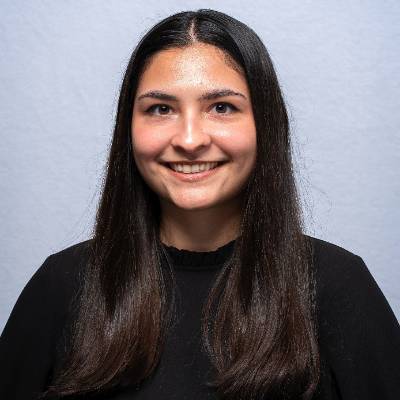
Mentor & Comentor
Dr. Nicholas Mason
Dr. Hector Douglas
Next steps
PhD at Univeristy of Texas at Arlington.
Heavy Metal Contamination in King and Clapper Rails Across a Salinity Gradient in Coastal Louisiana
Melissa analyzed lead contamination in King and Clapper Rails using museum specimens collected from the 1930s to 2022. Employing a portable X-ray fluorescence analyzer, she assessed contamination levels across coastal Louisiana’s salinity gradient under Dr. Nick Mason’s supervision.
Coding and scientific reading were initial struggles, but consistent effort led to breakthroughs. "It took months of reading papers before everything clicked," she recalls. COVID-19 limited her early research opportunities, but LAGNiAppE reaffirmed her passion. "Progress isn’t linear, be patient with yourself," she advises. The program’s networking and skill-building opportunities eased her anxieties about the future.
COHORT 2025-2026
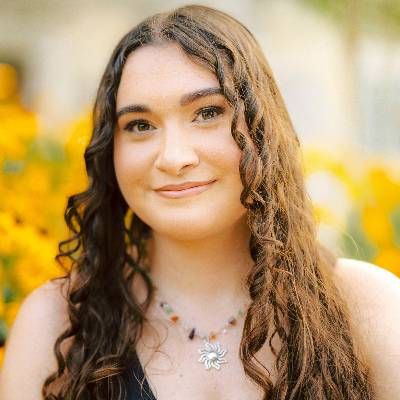
Mentor & Comentor
Dr. Igor Schneider
Dr. Emily Kane
Next steps
PhD program at Wake Forest University in the Joshua Currie lab.
Exploring Myoglobin's Role in Fish Fin Regeneration
Madi investigated the expression pattern of myoglobin gene duplicates in aquatic vertebrate fishes and how globins may be contributing to oxygen management strategies during fin regeneration.
When Madi first started undergrad, she intended to go to medical school. But her first job at the AGGRC opened her eyes to research and introduced her to the axolotl as a model system for studying regeneration or conservation.
Madi faced the challenge of shifting from the mindset of an undergraduate researcher to a post-bacc. "As an undergrad I was reliant on my mentor," she recalls. "...there was a steep learning curve for new wet and dry lab skills, writing, and applying to grad school that challenged me to grow incredibly fast." She feels she is more independent and prepared for the challenge of a PhD.
LAGNiAppE gave Madi the flexibility and dedicated time to commit to her professional development. "If I would have gotten a normal 9-5 after undergrad I never would have had the time to send 20+ cold emails, have tons of application-related Zoom meetings, submit 7 separate PhD applications, and go on 4 in-person interviews," she shares. "This program gave me the gift of not having to compromise on the process of finding my next step, which has put me in an amazing position for my future."
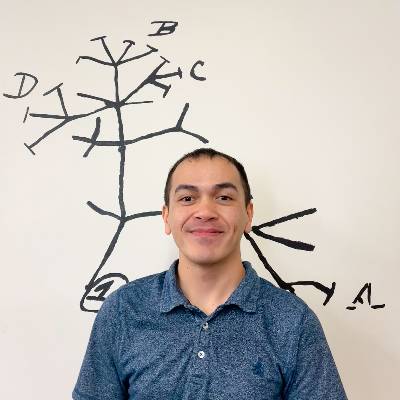
Mentors & Comentor
Dr. Stephen Baca
Dr. Jeremy Brown
Dr. Catherine Newman
Next steps
Study at Louisiana State University’s PhD program in Biological Sciences.
Unraveling Liocanthydrus Beetle Phylogeny and Evolution
Adry reconstructed the first phylogenetic estimate of Liocanthydrus, a genus of aquatic beetles endemic to South America. To infer the relationships between species and uncover phylogeographic patterns, he took a genome-skimming approach to harvest UCE loci to produce high-resolution molecular-based phylogenetic inferences. As someone excited about systematics, he is pleased to take this foundational step to shed light on species relationships.
A significant challenge for Adry during LAGNiAppE was overcoming stage fright and learning to communicate his work effectively. “Since I intend to pursue a PhD, I accepted that I will have to get myself in front of many audiences and present my findings, whether I like it or not.” He credits the LAGNiAppE program for giving him the skills to achieve this, allowing him to confidently present his findings about his sesame-seed-sized water beetles.
Adry advises to younger generations: “Mistakes are inevitable. What matters is not avoiding issues, but learning from them. You are only a human being. When faced with rejection, remember that you already put in a lot of work to get where you are - be proud of it!”.
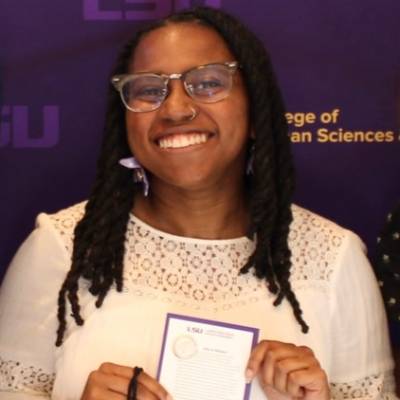
Mentor & Comentor
Dr. Daniel Powell
Dr. Mary Miller
Next steps
Pursue a PhD program in Systematics, Ecology, and Evolution at Louisiana State University.
Mapping Quantitative Trait Loci for Nuchal Hump Development in Northern Swordtails
Maia constructed a quantitative trait loci map to discover the genomic regions responsible for the development of the northern swordtail nuchal hump. This trait is found only in male Xiphophorus birchmanni and their hybrids with X. malinche. Using lab-bred F2 hybrids, she aimed to determine if and how much the genome controls nuchal hump size variation.
Maia has always been fascinated by sexually dimorphic traits and how traits vary between individuals in a population. This project gave her first-hand experience with techniques used to understand the genomic basis for trait variation, a passion that has motivated her to pursue a career in research.
The largest challenge Maia faced was accepting that she would not be perfect at everything starting out. “I found it frustrating when I could not understand techniques, theories, or concepts,” she says. The trial and error were difficult, but going through those moments helped her learn when to ask for help and better understand what she needed to learn.
Her advice is to build strong relationships: “Your best tool in this program is your fellow cohort. If you take the time to cultivate a good relationship, you will have a much easier time navigating the program and your transition into academia.”.
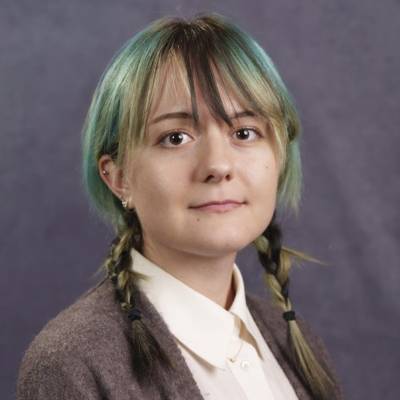
Mentor & Comentor
Dr. Flavia Montaño-Centellas
Dr. Patrick Ruhl
Next steps
Looking for jobs in Baltimore, MD.
Roosting Ecology and Microhabitat Selection in White-Throated Sparrows
Lissa examined the roost-site fidelity, the associations of temperature and vegetation density within microhabitats, and communality between individuals of the White-Throated Sparrows (Zonotrichia albicollis) to understand the drivers of roost-site selection. By understanding how these birds choose their roosts, she informed conservation efforts for more vulnerable species affected by anthropogenic influences.
The challenge Lissa faced was time management and time blindness. "Even though I am a long ways away from overcoming these issues, I learned some new skills that help me cope with them and facilitate my success in areas that I normally would not have been able to accomplish a year ago," she shared.
After the program, Lissa planned to apply for technician positions in ecology or conservation at places like the Baltimore National Aquarium, the Baltimore Zoo, and the Audubon Society, while also applying to graduate school. The LAGNiAppE program has alleviated much of her stress by answering her biggest questions: "Is research right for me?" and "What are my options?" She now knows how to apply to grad school and jobs, and importantly, what she wants to do next.
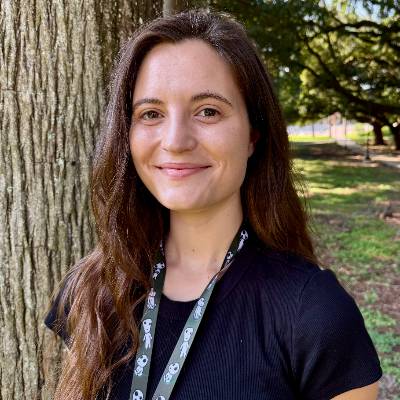
Mentor & Comentor
Dr. Jordan Dowell
Dr. Havalend Steinmuller
Next steps
Starting a middle school science position at Kenilworth Science and Technology Charter School.
Genome-wide Association of Nutrient-use and Pathogenicity in Botrytis cinerea
Belinda studied 96 isolates of the plant pathogen Botrytis cinerea, commonly known as gray mold, which infects over 200 plant species worldwide. She measured how these isolates use different nutrient sources and compared metabolic and growth traits to their genetic variation using a genome-wide association study. The goal was to identify genetic markers associated with nutrient utilization and virulence as adaptations to different environments.
Belinda’s long-term interest lies on wild bird population dynamics to understand factors that contribute to their success or declines. Her project focused on gray mold but allowed her to develop skills to study adaptation and species interactions.
As a nontraditional student who attended an online university for working adults, Belinda initially chose education because she loved learning. "Before joining the program, I never thought a career in research or graduate school was a realistic option for me," she admits. She gained the skills to pursue that dream.
Belinda turned down one graduate offer because she learned that "finding the right fit is important." The LAGNiAppE program gave her confidence in navigating applications and grants, and she received an Honorable Mention on the GRFP. "Meeting scientists from different backgrounds and career paths has shown me that there is no single path into science and helped me gain a sense of belonging in the field," she reflects.
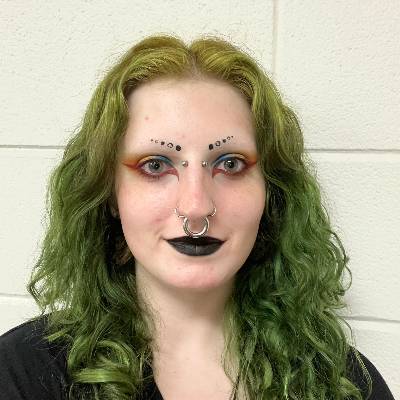
Mentor & Comentor
Dr. Nicholas Mason
Dr. Teague O'Mara
Next steps
Research Associate at LSU’s Museum of Natural Science.
Geographic variation in full-spectrum (UV-Vis-NIR) reflectance among common raven populations in association with environmental conditions
Emma focused on ecogeographic variation in plumage and morphometrics of the common raven. He took morphometric measurements and measured UV-Vis and NIR reflectance of plumage, in addition to determining barbule density. The goal was to compare these physical traits to climatic data from the specimen locations to look for evidence of selection for thermoregulation. Emma is especially interested in how museum specimens can be used to answer questions about climate-driven selection, and understanding how species may respond to environmental change.
Emma entered undergrad planning to be a zookeeper or wildlife rehabilitator. He didn't consider research until after his junior year and felt it was too late.
Emma struggles with procrastination. "I have a hard time motivating myself to do things until there is no longer time to waste". He had to overcome this by setting regular deadlines for themselves. "I still struggle at times, but I have improved a lot compared to where I was at the beginning of the program."
Emma plans to apply to graduate school again, hoping to study the behavior or microbiome of bats. LAGNiAppE has filled in the gaps he had about applying to and understanding grad school. "While I did not get into a [graduate] program, I feel extremely prepared and more confident for the next application cycle".
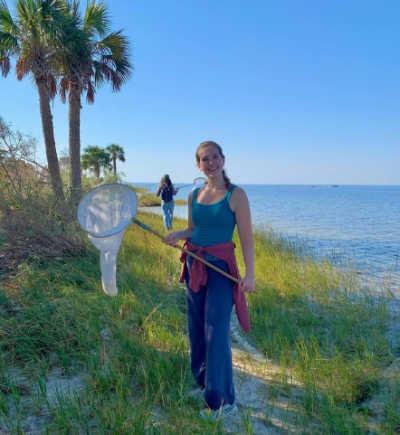
Mentor & Comentor
Dr. Christine Lattin
Dr. Erik Johnson
Next steps
Continue as a graduate student in Dr. Christine Lattin’s lab at LSU.
Gut-Brain Communication and Behavior in Invasive Songbirds
Ellie investigated how ecological challenges affect gut–brain communication and behavior in invasive songbirds. Using experimental manipulations in both laboratory and field settings, she examined how disruptions to the gut microbiome influence neuroinflammation, gut physiology, and behavior. Through this work, she aims to better understand how the gut-brain axis responds to environmental stressors and mediates immune signaling.
This subject is particularly meaningful to Ellie as it bridges her interest in ecology with her personal experience living with celiac disease. "My research has provided me with a deeper appreciation for just how resilient the gut can be to environmental changes and disturbances," she explains.
She is excited to continue diving deeper into her results as she pursues this research further as part of her dissertation during graduate school.
The LAGNiAppE program has strengthened her confidence as a researcher and provided her with an invaluable support network at LSU. "As I transition from my role as a post-bacc fellow, I feel well-prepared to embrace my responsibilities as a graduate student and contribute meaningfully to the community," she shares. She is deeply grateful to her mentors, who have guided and inspired her throughout the year, and to her fellow LAGNiAppE friends, who have made this experience truly memorable.
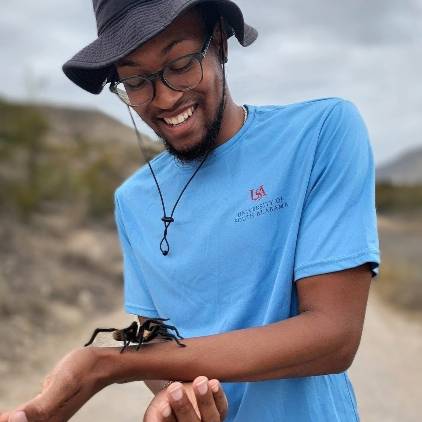
Mentor & Comentor
Dr. Greg Thom
Dr. Laura Frost
Next steps Work as a lab tech at the primate research center in New Iberia, LA.
Investigating Blue Skin Coloration in Gymnopithys Antbirds
Trayvond's project focused on the genetic and phenotypic components of blue skin structural coloration in the avian genus Gymnopithys, specifically comparing G. leucaspis and G. rufigula. This subject fascinated him because there has been little research on structural coloration in skin, with most avian studies focused strictly on feathers.
One of the challenges Trayvond faced was building up his limited genetic knowledge for a project based solely on it. "There were parts I felt completely confused about, but I have slowly learned,". He also had to adjust to a new schedule, but found himself more organized by following the routines of grad students around him.
During undergrad at a smaller school with a heavy pre-med focus, Trayvond knew he didn't want to go to med school. He collected field data on Bluebirds and loved it, but was unaware how big the world of ornithology was. "I was amazed to have been given the opportunity to learn such a skill," he recalls.
Trayvond gained valuable experience in avian research and learned useful skills for a career in STEM. "Prior to this program I was not looking to go into grad school, but this experience has shown me I like aspects of it," he reflects. As a result, he is leaving the door open for the future to continue doing research.
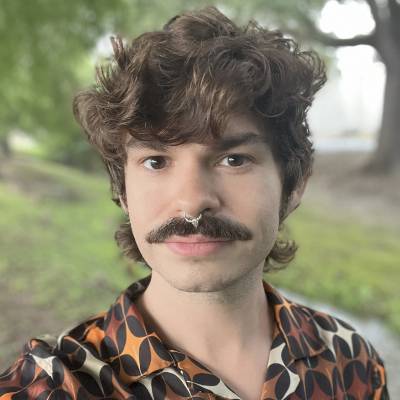
Mentor & Comentor
Dr. Sydney Moyo
Dr. Hector Douglas
Next steps
Study at University of Florida’s PhD program in Zoology.
Linking Freshwater Mussel Beds to Riparian Spider Health Via Aquatic Insect Subsidies
Antonio studied whether the presence of a freshwater mussel affects the nutritional quality of aquatic subsidies, by examining the health and immune response of riparian spiders. His research interests are exactly about studying ecpsystem connectivity, i.e: how energy, nutrients, and organisms move between ecosystems.
Antonio was challenged with a mindset shift. "I found myself beholden to completing a specific goal at any cost... complete rigidity in product. This was disastrous," he reflects. He also felt isolated during times when he couldn't engage with other scholars directly, which made it difficult to function at times. However, he has grown through these struggles.
The LAGNiAppE program gave Antonio the stability and support he needed to shift his focus from survival to growth. It provided him with a solid foundation and a clearer understanding of how to navigate the path to graduate school. The program also helped him identify and move past certain habits that would have held him back, leaving him better prepared for the challenges ahead. Today, he feels more confident, focused, and ready to embrace the next chapter of his academic journey.
 .
.
Mentor & Comentor
Dr. Gaurav Kandlikar
Dr. Anny Chung
Next steps
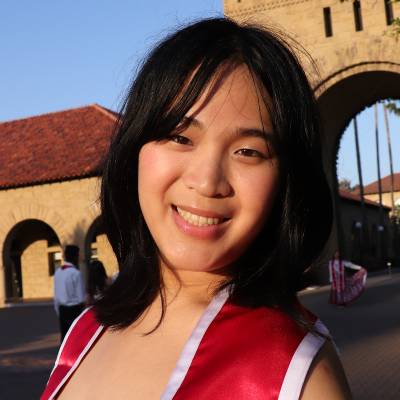
Study at University of Southern California’s Marine Environmental Biology program.
The Role of Soil Microbes in Shaping vegetation Dynamics of a Fire-prone Ecosystem
Minh studied the ecological dynamics that create low diversity patches in tropical forests, particularly through plant-fungal-soil relationships. She has been using mathematical modeling to understand how abiotic factors and biotic factors shape the persistence of these anomalous forests. This project interests her because it is "a beautiful example of how microbes shape their surrounding environment, and vice versa."
As an undergraduate, Minh’s exposure to research was through wet-lab techniques, as opposed to field-work and theoretical approaches. "My project has sort of shown me that I like a little bit of everything," she reflects. The largest challenge she faced was figuring out how to structure her day with so much independence. Creating systems to hold herself accountable proved to be an extremely useful skill she will carry forward.
The LAGNiAppE program has exposed her to a wide range of scientific roles through seminar speakers, day visits, and weekly workshops. "I think I feel less anxious about the future when it comes to science because I know what other options are out there if the PhD route doesn't work with me," she shares. Her advice is to have an open mind and expose yourself to different kinds of opportunities. Take the time to reflect on what you truly enjoy and what you want for your future.